Dealing with Mold Allergies and Eczema Flare-ups in HK Apartments
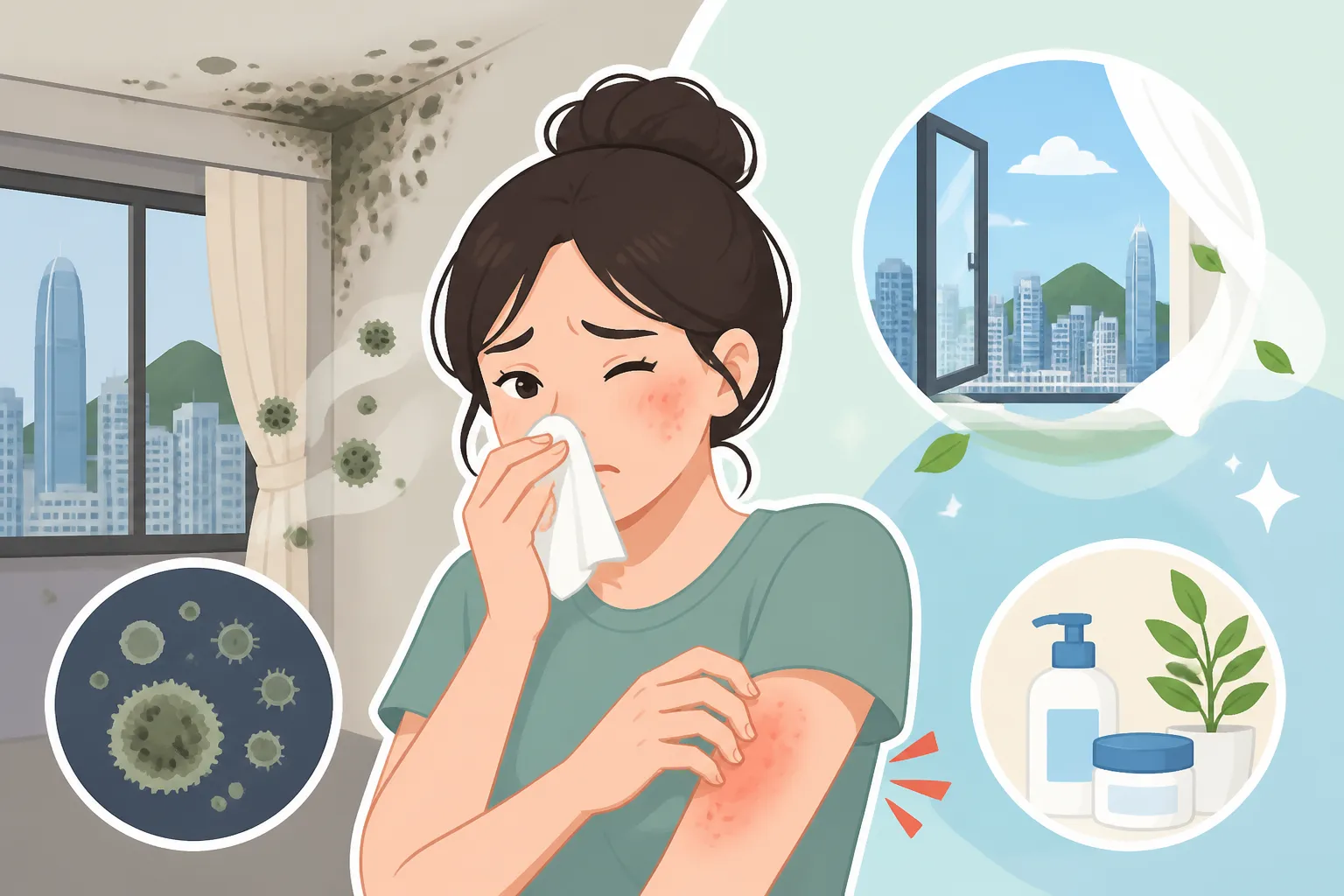
Waking up to find a fuzzy green film covering your favorite leather jacket or a "weeping" wall in your bedroom is a rite of passage for every newcomer in Hong Kong. I distinctly remember my first spring in a Mid-Levels walk-up when I realized my constant "cold" was actually a reaction to the spores blooming behind my wardrobe. This guide solves the mystery of Hong Kong's humidity-driven health hazards and offers actionable steps to protect your respiratory health and your skin.
The Science of the Sweat: Why Hong Kong Apartments are Mold Magnets
To survive here, you have to understand that the city doesn't just get "humid"—it becomes a literal sponge for half the year. The geography of the territory, tucked between the South China Sea and lush, tropical mountains, creates a microclimate where moisture is constant. For expats coming from drier European or North American climates, the speed at which mold colonizes a living space is nothing short of shocking.
The Humidity Trap: Spring and Summer Reality
From February through May, Hong Kong enters what locals call the "Misty Season." During this window, humidity levels frequently hover between 90% and 100%. You will see condensation dripping off the walls in the MTR stations and puddles forming on tiled floors inside your own home. This isn't just an inconvenience; it is the perfect incubation period for Aspergillus and Cladosporium, two of the most common molds found in local residences.
Unlike the dry heat of some tropical locations, Hong Kong’s heat is "heavy." When the outdoor temperature rises but your indoor walls remain cool, the dew point is reached instantly. This results in the "sweating walls" phenomenon. If you are just starting your journey here, checking the Essential Health Checklist for Your First 30 Days in Hong Kong will remind you that securing a high-quality dehumidifier is actually more important than buying a sofa.
Architecture and Poor Ventilation
Most Hong Kong apartments are built with reinforced concrete, which is excellent for typhoon resistance but terrible for breathability. Many older buildings in areas like Sheung Wan or Wan Chai lack proper "cross-breeze" windows. Without a mechanical way to pull moisture out, the air sits stagnant. Mold doesn't just stay on the surface; it gets into the grouting of your bathroom tiles and the back of your wooden IKEA furniture.
Furthermore, the prevalence of "split-type" air conditioners means that many units are recirculating the same damp air rather than bringing in fresh, filtered air from outside. Over time, the internal coils of these units become breeding grounds. This is why regular Air Conditioner Maintenance: Cleaning Schedules and Landlord Disputes is a non-negotiable part of life here. If your AC smells like old socks when you turn it on, you are essentially blowing mold spores directly into your lungs and onto your skin.
Identifying the Enemy: Mold Allergies and Eczema Symptoms
Living in a mold-heavy environment isn't just about the smell; it triggers a cascade of inflammatory responses. For many expats, this manifests as a "permanent flu" or a sudden, unexplained breakout of atopic dermatitis, commonly known as eczema.
Respiratory Red Flags
If you find yourself sneezing the moment you walk into your bedroom, or if you have a persistent dry cough that disappears when you go to the office, you likely have a mold allergy. The spores act as irritants to the lining of the nose and lungs. For those with pre-existing asthma, Hong Kong’s mold season can be genuinely dangerous.
It is common to mistake these symptoms for pollution-related issues, but the "indoors" is often more toxic than the "outdoors" during the peak of spring. If symptoms persist, navigating the Healthcare in Hong Kong: Public vs Private Systems Explained (2027) will show you that seeing an allergist is the best way to confirm whether your triggers are environmental or dietary.
The HK Eczema Flare: Heat, Humidity, and Sweat
Eczema in Hong Kong is a double-edged sword. The humidity can actually help some people with very dry skin, but for most, the combination of high moisture and heat leads to "sweat retention." When you sweat in a 95% humidity environment, the sweat cannot evaporate. It stays on the skin, causing friction and salt buildup, which breaks down the skin barrier.
Mold spores then land on this compromised skin, leading to intense itching, redness, and weeping sores. It’s a miserable cycle that many of us have fought. If you find yourself in this position, looking for Dermatologists in HK: Coping with Humidity and Eczema is your first step toward relief. Many people try to "tough it out," only to end up needing systemic steroids because they waited too long.
| Trigger Factor | Effect on Home/Body | Recommended Action |
|---|---|---|
| Humidity >85% | Mold growth on leather, wood, and walls | Run dehumidifiers 24/7; aim for 50-60% |
| Dust Mites | Increased asthma and eczema flares | Use anti-allergy mattress and pillow covers |
| AC Biofilm | Spores recirculated through the room | Professional deep clean every 6 months |
| Sweat Trapping | Prickly heat and eczema "wet" flares | Wear linen/cotton; shower immediately after being outside |
Practical Strategies for a Mold-Free Home
You cannot stop the humidity, but you can control the micro-environment of your flat. This requires a shift in mindset: you are essentially managing a laboratory clean-room during the wet months.
Choosing and Using the Right Dehumidifier
In a standard Hong Kong apartment, a small, "cute" dehumidifier won't cut it. You need a compressor-style unit with a daily extraction capacity of at least 20 to 30 liters. When I first arrived, I bought a cheap model and had to empty the tank every three hours. Eventually, I learned to buy units with a continuous drainage option.
By connecting a simple plastic hose from the back of the dehumidifier directly into your floor drain (common in HK kitchens and bathrooms), you can leave the machine running 24/7 without intervention. If you are shopping for a new unit, read up on Buying Dehumidifiers and Air Purifiers for HK Weather to understand which brands handle the local voltage and humidity spikes most effectively. Using a brand like Cigna Global for your health insurance ensures that if these environmental factors lead to chronic issues, you have the coverage to seek the best private specialists.
Air Circulation and Cleaning Protocols
Never push your furniture directly against a wall. Leave at least a two-inch gap to allow air to circulate. Mold loves dark, still corners. If you have built-in wardrobes, consider installing a small "closet dehumidifier" (the disposable charcoal tubs) or even a low-wattage heating rod.
For cleaning, skip the fancy eco-sprays when you see black spots. You need something that kills the roots. A mixture of white vinegar and water is a good preventative, but for active growth on walls, a diluted bleach solution is often necessary. Be careful with "Magic Erasers," as they can take the paint off the thin plaster used in many local flats. If the mold is inside the walls, you may need to consult the Hospital Authority (HA) Guide: Accessing Public Healthcare for Expats to find resources for occupational therapy or environmental health advice if you are in subsidized housing.
Treating Eczema and Skin Irritations Locally
When the "itch" starts, you need a localized strategy that accounts for the Hong Kong climate. What worked for your skin in London or New York likely won't work here.
The "Dry-Fast" Rule
In the West, we are told to "moisturize, moisturize, moisturize." In Hong Kong’s summer, heavy oil-based creams can actually make eczema worse by trapping heat and sweat against the skin, leading to folliculitis. Many local dermatologists recommend "layering" instead. Use a light, water-based serum or gel, and only apply heavier ointments to specific dry patches at night when you are in an air-conditioned room.
If your skin is already broken, you might need a prescription-strength topical. You can check Pharmacies and Medication in HK: Prescriptions and OTC Rules to see what is available over-the-counter (like mild hydrocortisone) and what requires a doctor's note. For expats on a budget or digital nomads using a policy like SafetyWing, many walk-in clinics in areas like Central or Tsim Sha Tsui can provide immediate relief for flare-ups.
Finding the Right Specialist
If your eczema is persistent, don't just see a General Practitioner. Hong Kong has a world-class network of private dermatologists who specialize in "tropical skin conditions." They understand the specific types of fungal infections that mimic eczema. While the public system is excellent, the waiting times for non-emergency skin issues can be long. This is where Private Hospitals in Hong Kong: Admission, Costs, and Insurance becomes relevant. Having a private specialist means you can get a skin scraping or patch test done within days, rather than months.
Lifestyle Adjustments for the Hong Kong Climate
Beyond your four walls, how you move through the city dictates how your body reacts to the mold and moisture.
Wardrobe Management
Leather is the first victim of Hong Kong mold. If you have expensive leather bags or shoes, store them in airtight plastic bins with silica gel packets or "Thirsty Hippo" moisture absorbers. Better yet, keep your most prized items in a room that is constantly dehumidified.
Switching to breathable fabrics like linen, bamboo, and high-tech "wicking" fabrics used in gym wear can significantly reduce the amount of sweat sitting on your skin. This simple change can prevent the skin barrier breakdown that allows mold allergies to trigger eczema. If you are here for work, navigating the Hospital Authority Fees: Eligible Persons (EP) vs Non-Eligible Persons (NEP) will help you understand the costs of any allergy-related treatments if you haven't yet received your HKID.
Dietary and Traditional Supports
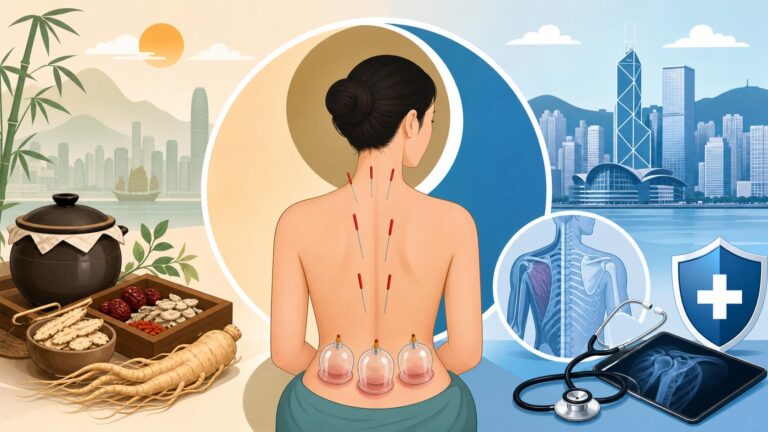
Many locals turn to Traditional Chinese Medicine (TCM) to deal with "dampness" in the body, which they believe contributes to both lethargy and skin issues. While it might sound "woo-woo" to a newcomer, many expats find that certain herbal teas designed to "clear heat" actually help reduce the systemic inflammation associated with eczema.
If you are curious, looking for an English-Speaking TCM Practitioner for Chronic Pain or skin issues is a great way to bridge the gap between Western and Eastern approaches. Using a comprehensive insurer like Cigna Global often allows for some coverage of these alternative therapies, provided the practitioner is registered. Even if you don't go the herbal route, staying hydrated and reducing high-sugar foods can help manage the inflammatory response to environmental mold.
Navigating the Emotional Toll of Chronic Allergies
It sounds dramatic, but living in a home that feels "unclean" due to mold and dealing with a constant skin itch can take a toll on your mental health. Many expats have described feeling a sense of defeat when their "dream apartment" turned out to be a damp box that made them sick.
Acknowledge that this is a physical environmental challenge, not a failing on your part. It is a technical problem with a technical solution. If the stress of health issues becomes overwhelming, remember that there are Mental Health in Hong Kong: Counseling and Expat Support Services available to help you navigate the transition. Taking care of your skin and lungs is part of the "survival kit" for any long-term resident. Whether you are covered by SafetyWing for a short-term stint or a more permanent solution, don't let the "HK Funk" ruin your experience of this incredible city.
Health and Medical Disclaimer
The information provided in this guide is for educational and informational purposes only and is not intended as medical advice. Always seek the advice of a qualified healthcare provider with any questions you may have regarding a medical condition, mold allergy, or eczema treatment. Never disregard professional medical advice or delay in seeking it because of something you have read in this article. Hong Kong's environment presents unique challenges, and individual health responses can vary significantly.