Traditional Chinese Medicine (TCM) in HK: A Guide for Foreigners
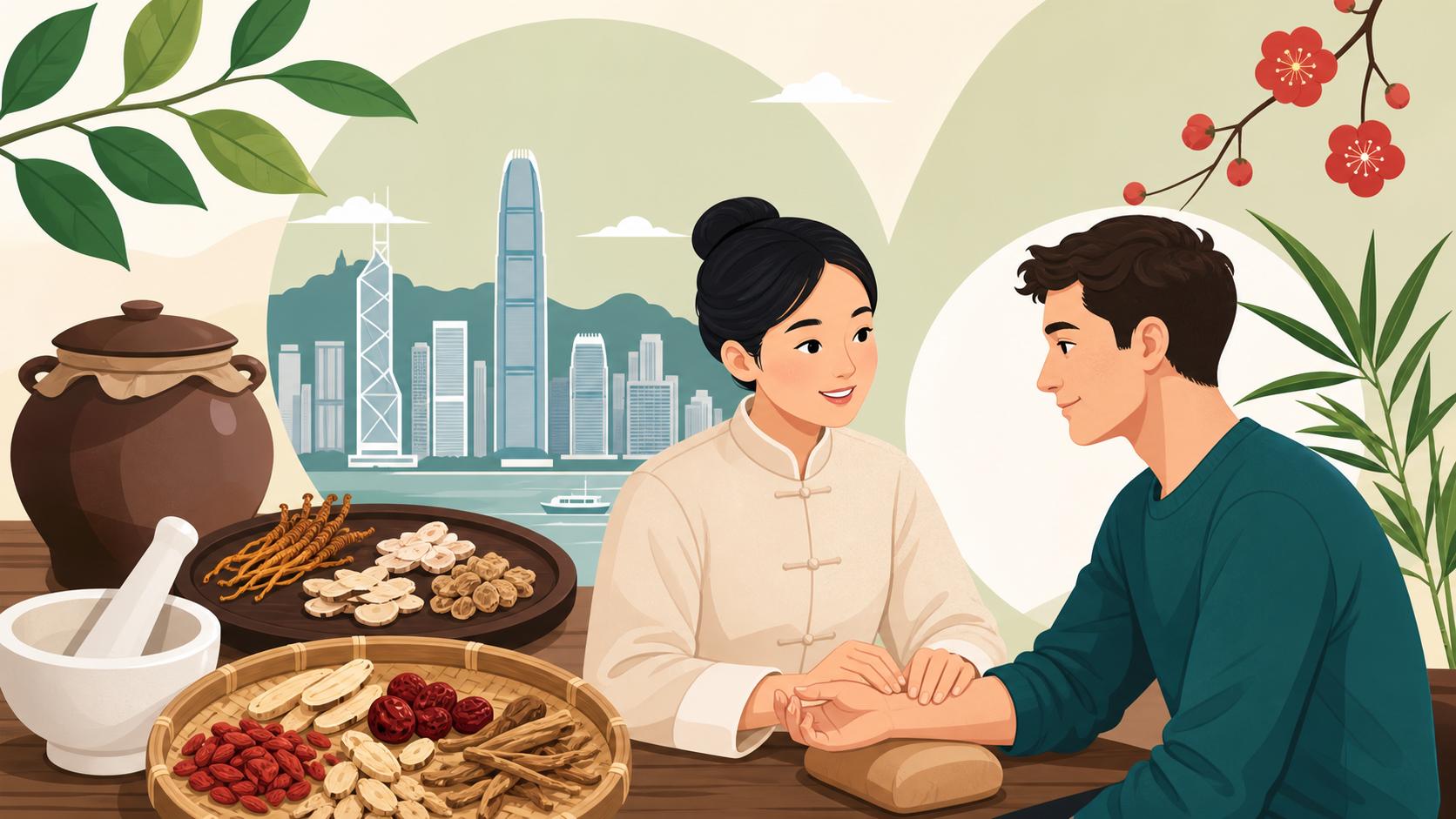
Walking into a traditional herb shop in Sheung Wan can feel like stepping into a medieval apothecary, leaving you overwhelmed and skeptical about whether those dried roots and lizards actually work. I remember my first time standing in a cloud of bitter-smelling steam, nodding politely while having no idea what "heatiness" meant or why the doctor was staring at my tongue. This guide demystifies Traditional Chinese Medicine (TCM) in HK for expats, helping you navigate clinics, treatments, and insurance with confidence.
Understanding the Role of TCM in Hong Kong Modern Life
Traditional Chinese Medicine is not considered "alternative" in Hong Kong; it is a primary pillar of the healthcare system. While you might be used to seeing a GP for a quick antibiotic script, many of your local colleagues likely visit a TCM practitioner for everything from chronic back pain to the common cold. The philosophy here is fundamentally different from Western medicine. While Western medicine often focuses on treating a specific symptom or pathogen, TCM looks at the body as an interconnected system where "Qi" (energy) must flow freely to maintain health.
In the humid climate of Hong Kong, you will frequently hear the term "yeet hay" or "heatiness." It refers to an internal imbalance often triggered by fried foods, lack of sleep, or the weather. My first encounter with this was when a colleague told me my sore throat wasn't a viral infection but too much "internal fire." It sounds abstract, but in the local context, it is a diagnosis taken as seriously as a fever. Understanding these cultural nuances is the first step toward successfully using TCM alongside your usual healthcare routine.
The integration of these two worlds is quite sophisticated here. You will find TCM clinics in gleaming skyscrapers in Central, right next to world-class cardiologists. This duality is what makes Healthcare in Hong Kong: Public vs Private Systems Explained (2027) so unique. For an expat, the challenge isn't finding a practitioner; it's understanding how to choose one that matches your comfort level with traditional methods.
The Regulatory Landscape: Who Can You Trust?
The biggest fear for many foreigners is the "back-alley" clinic. Fortunately, Hong Kong has a very strict regulatory framework governed by the Chinese Medicine Council of Hong Kong. Since the late 1990s, the government has worked hard to professionalize the industry, ensuring that anyone practicing TCM has undergone rigorous training and passed licensing exams. You no longer have to worry that you are seeing someone without formal education, provided you know what signs to look for.
Registered vs Listed Practitioners
When you enter a clinic, you should look for the practitioner’s registration certificate. There are two main categories: Registered Chinese Medicine Practitioners and Listed Chinese Medicine Practitioners. Registered practitioners have completed a recognized degree and passed the licensing exam. Listed practitioners were those practicing before the new laws were fully implemented; while many are highly experienced, the "Registered" status is the gold standard for quality assurance.
If you are browsing a local herb shop that also offers consultations, check How to Spot a Pharmacy with a Registered Pharmacist on Duty to ensure the establishment follows legal standards for dispensing. While TCM doesn't always involve a pharmacist in the Western sense, the preparation of herbal formulas requires a high degree of accuracy and knowledge of toxicity.
Safety of Herbal Medicines
One common concern for expats is the presence of heavy metals or pesticides in traditional herbs. In Hong Kong, proprietary Chinese medicines (pre-packaged pills or powders) must be registered and meet safety standards for heavy metal content and microbial limits. If you are prescribed "raw" herbs—the ones you have to boil at home—it is vital to buy them from reputable clinics or pharmacies.
It is generally wise for newcomers stick to the larger chains or hospital-affiliated clinics initially. Places like Tung Wah Group of Hospitals or the Baptist University TCM clinics have excellent reputations and very high standards for herb sourcing. They bridge the gap between ancient wisdom and modern safety protocols, making the experience much less daunting for someone used to a sterile hospital environment.
Common TCM Treatments Explained for Beginners
TCM is far more than just drinking bitter soup. It involves a variety of physical therapies that can be incredibly effective, especially for musculoskeletal issues that Western medicine might only treat with painkillers or physical therapy. If you're dealing with the "tech neck" that comes from long hours in a Central office, these treatments might be your best bet.
Acupuncture and Its Benefits
Acupuncture is perhaps the most well-known TCM treatment among expats. It involves the insertion of very fine needles into specific "acupoints" to stimulate the body's healing response. Most people find it surprisingly painless—I actually fell asleep during my first session. It is frequently used for pain management, fertility support, and even stress reduction.
For those interested in how this fits into a broader medical plan, reading about TCM Acupuncture and Cupping: Integration with Western Medicine can provide a clearer picture of how these needles interact with your nervous system. Many private hospitals in Hong Kong now have dedicated acupuncture wings specifically because the clinical evidence for its effectiveness is so strong.
Cupping and Gua Sha
If you see people at the gym with perfectly circular purple bruises on their backs, they’ve had cupping therapy. This involves placing glass or plastic cups on the skin and creating a vacuum. It’s intended to improve blood flow and "draw out toxins." While it looks intense, the sensation is more like a deep-tissue massage.
Gua Sha is a similar concept but involves "scraping" the skin with a smooth-edged tool (often jade or bone). It is commonly used for fever or muscle tension. Both treatments can be quite effective for the chronic humidity-induced aches that many of us feel after moving to Hong Kong. Just be prepared for the marks to last for 3 to 5 days; don't plan a beach trip to Repulse Bay immediately after a session unless you want to explain your "bruises" to everyone.
Tui Na (Chinese Massage)
Tui Na is a form of manipulative therapy that is much more vigorous than a relaxing spa massage. The practitioner uses various hand techniques to knead, roll, and press the muscles and joints. It is often used in conjunction with acupuncture to treat sports injuries or chronic stiffness. If you are looking for relief from a specific injury, Finding English-Speaking TCM Practitioner for Chronic Pain is a great resource to find clinics that specialize in this therapeutic approach rather than just "wellness" massage.
Cost Comparison and Insurance Coverage
Budgeting for TCM can be tricky because the price range is vast. A local "hole-in-the-wall" clinic in Mong Kok might charge you HK$150 for a consultation and three days of herbs, while a high-end clinic in a Central landmark building could easily run you HK$1,500. As an expat, you need to know where your insurance stands on these costs.
| Type of Clinic | Consultation Fee (HKD) | Herb/Treatment Cost (HKD) | Total Average |
|---|---|---|---|
| Public (HA Affiliated) | $120 – $200 | $100 – $300 | $220 – $500 |
| Local Private Clinic | $200 – $400 | $150 – $400 | $350 – $800 |
| High-End/Expat Focused | $800 – $1,200 | $400 – $1,000 | $1,200 – $2,200 |
| Hospital TCM Outpatient | $400 – $700 | $300 – $600 | $700 – $1,300 |
Does Insurance Cover It?
The short answer is: it depends. Many local employer-provided plans have a "Chinese Medicine" sub-limit, which might only cover HK$200 per visit—barely enough for a basic clinic. However, if you have a more comprehensive international plan from providers like Cigna Global, you might find that TCM is included under your outpatient or "complementary medicine" benefits, often with much higher limits.
It is essential to check if your policy requires the practitioner to be "Registered" for the claim to be valid. Most reputable insurers, including SafetyWing for those on more flexible or nomadic arrangements, will require a proper receipt with a registration number. Always ask the clinic for a "formal receipt for insurance" as the standard pink slip given at many local shops might not contain the necessary details for your provider to process the claim.
The VHIS Factor
If you have signed up for a local Voluntary Health Insurance Scheme (VHIS): Coverage and Tax Benefits plan, you should look closely at the "Flexi" options. While the Standard VHIS plans focus mostly on hospital stays, many Understanding VHIS Certified Plans: Standard vs Flexi Options include outpatient TCM coverage as an add-on. Before you start a long-term course of acupuncture, call your broker to confirm your remaining balance for the year.
For more detailed information on policy nuances, you can explore Does Private Medical Insurance Cover TCM and Acupuncture in HK? to see which brands currently offer the best coverage for traditional therapies.
Finding an English-Speaking TCM Practitioner
The language barrier is arguably the highest hurdle. TCM terminology is deeply rooted in classical Chinese, and even a doctor who speaks basic English might struggle to explain concepts like "damp-heat" or "liver qi stagnation." Fortunately, as Hong Kong’s expat population has grown, so has the number of practitioners who are either Western-trained or have spent significant time abroad.
Where to Look in Central and Mid-Levels
Central is your best bet for finding a doctor who can explain your diagnosis in clear English. Large groups like Quality HealthCare have TCM divisions where the doctors are fully bilingual. These clinics are designed for people who want the benefits of TCM but prefer a modern, clinical environment. You can often find these doctors by searching for Finding English-Speaking General Practitioners (GPs) in Central, as many of these multi-specialty clinics house both Western and Eastern doctors under one roof.
University-Affiliated Clinics
The three main universities with TCM schools—HKU, CUHK, and Baptist University—all run teaching clinics. These are fantastic because the practitioners are often researchers and professors who are very accustomed to explaining their work to a diverse audience. Their English is usually excellent, and because they are teaching clinics, they are extremely meticulous about their diagnostic process.
I personally prefer these university clinics because they feel like a bridge between the old and new. You get the weight of academic research combined with thousands of years of tradition. They are also very transparent with their pricing, which is a relief when you’re still trying to figure out the local "market rate."
What to Expect During Your First TCM Consultation
If you're used to a 5-minute Western GP visit, a TCM consultation will be a surprise. It is a slow, methodical process that covers your entire lifestyle, not just the reason you walked in. The doctor is looking for patterns, not just a single cause.
The Four Examinations
A TCM doctor uses four main methods to diagnose you:
- Looking: They will look at your complexion, your posture, and—most importantly—your tongue. They aren't looking for cavities; they are looking at the color, shape, and "coating" of the tongue, which they believe reflects the state of your internal organs.
- Listening/Smelling: They listen to the sound of your voice and your breathing.
- Asking: Be prepared for very personal questions. They will ask about your sleep, your digestion, your stress levels, and even the "consistency" of your bowel movements. Don't be shy; in TCM, these are all vital clues.
- Touching: This is the famous pulse-taking. Unlike a Western doctor who just counts the beats per minute, a TCM doctor feels for the "quality" of the pulse in three different positions on each wrist. They might describe your pulse as "slippery," "thready," or "wiry."
The Prescription
After the diagnosis, you’ll likely receive a prescription for an herbal formula. In the old days, this meant a bag of raw sticks and leaves that you had to boil at home for hours (making your apartment smell… interesting). Today, most clinics offer "granules"—powdered versions of the herbs that you simply mix with hot water. It’s the "instant coffee" of TCM, and it’s a lifesaver for busy expats.
If the doctor recommends acupuncture, it usually happens in the same session. You’ll be led to a small curtained area, and the treatment will last about 20 to 30 minutes. If you are nervous, just tell the doctor; they are very used to "first-timers" and will walk you through it.
Integrating TCM with Western Medicine: The HK Hybrid Model
One of the best things about living here is that you don't have to choose. Many people use Western medicine for acute issues (like an infection) and TCM for recovery and long-term wellness. However, you must be honest with both your doctors.
Avoiding Drug Interactions
Some Chinese herbs can interact with Western medications. For example, herbs used to "invigorate the blood" could be dangerous if you are already taking blood thinners. I always carry a list of my current Western prescriptions to show my TCM doctor. Most modern TCM practitioners in Hong Kong are well-aware of these interactions and will adjust your formula accordingly.
The government is also encouraging this through the Hospital Authority (HA) Guide: Accessing Public Healthcare for Expats. Several public hospitals now offer "Integrated Chinese-Western Medicine" programs, particularly for stroke rehabilitation and cancer pain management. This level of institutional support should give you peace of mind that TCM is a respected and scientific endeavor in the eyes of the Hong Kong medical establishment.
Knowing When to Stick to Western Medicine
TCM is wonderful for many things, but it is not for everything. For surgical emergencies, severe bacterial infections, or any life-threatening situation, the Hong Kong public A&E system is world-class. You should never attempt to treat a major emergency with herbs alone. If you're ever in doubt, start with a Western GP or a hospital visit. Once the crisis is over, TCM can be an incredible tool to help your body recover its strength and balance.
Navigating the Herb Shops: From Dried Scallops to Magic Roots
Even if you don't see a TCM doctor, you will interact with the "herb culture" every time you go to a supermarket or a wet market. You’ll see bags of dried dates, goji berries, and various roots. These aren't just for medicine; they are part of the daily diet.
The "Leung Cha" (Herbal Tea) Shops
On almost every street corner, you’ll see small shops with large brass urns. These sell "Leung Cha" or cooling tea. If you’re feeling a bit "heaty" from a weekend of heavy brunching in Soho, a cup of "24 Flavors" (the most bitter tea imaginable) or "Chrysanthemum tea" (the sweetest and most beginner-friendly) might be just what you need.
Many expats start with the bottled herbal teas in 7-Eleven or Circle K if the brass urn shops look too intimidating. Brands like Hung Fook Tong are ubiquitous and provide English labels so you know exactly what you’re drinking. It’s a low-stakes way to start incorporating TCM principles into your life.
Buying Herbs for Home Cooking
If you want to try making basic TCM soups, Over-the-Counter (OTC) Medicines in HK: Watsons, Mannings, and Rx often carry pre-packaged soup mixes for "immunity" or "lung health." These are generally very safe and easy to use—you just add water and maybe some pork bones or chicken. It’s the Hong Kong equivalent of chicken noodle soup, and after a few months here, you’ll find yourself craving it during the rainy season.
Disclaimer
The information provided in this guide is for educational and informational purposes only and does not constitute medical advice. Traditional Chinese Medicine involves complex diagnostic methods and herbal formulations that should only be administered by qualified professionals. Always consult with a registered medical practitioner or a licensed TCM doctor before starting any new treatment, especially if you have pre-existing health conditions, are pregnant, or are taking Western medications. The names of specific clinics and insurance providers are for reference only and do not constitute an endorsement.