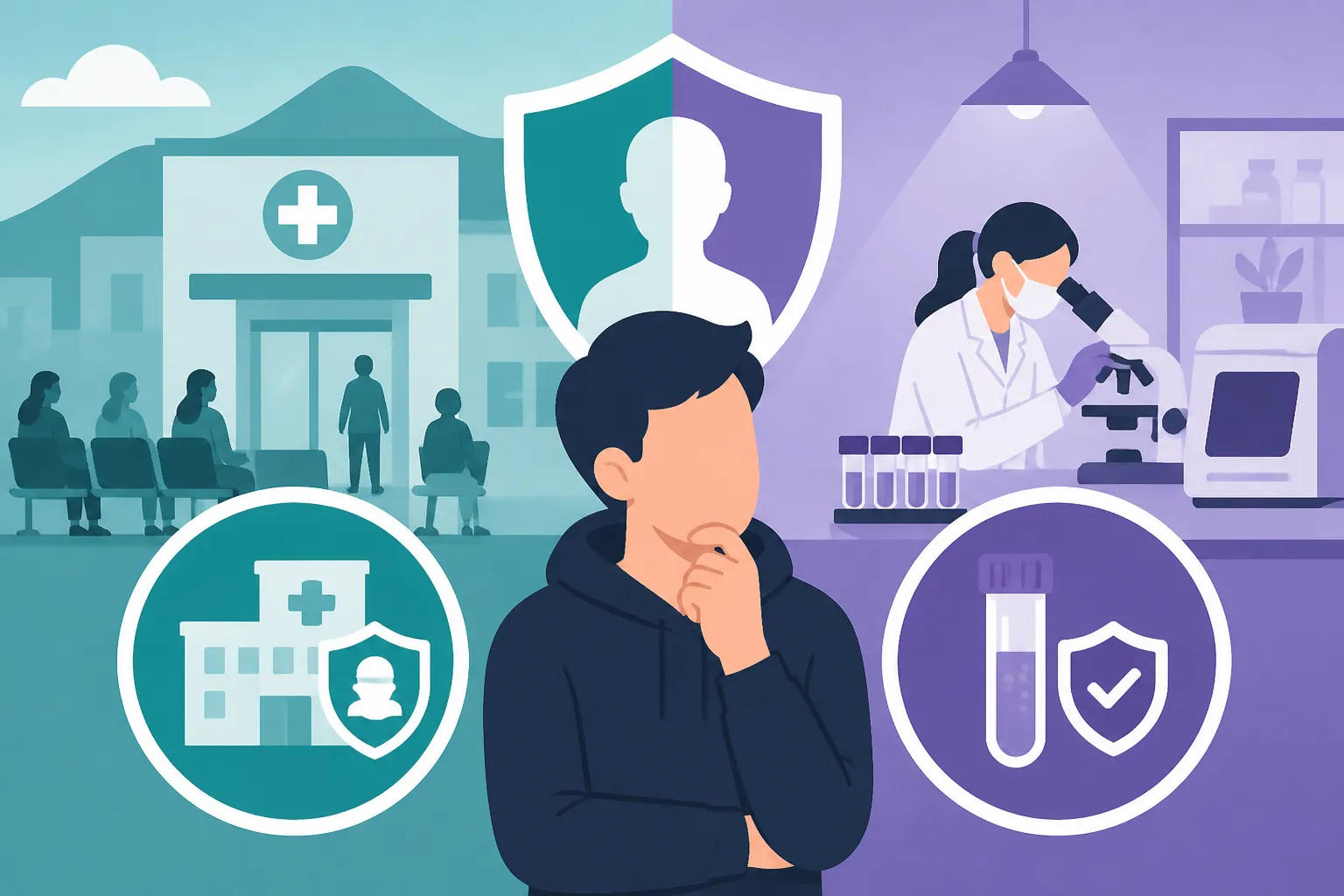
STD Testing in HK: Anonymous Public Clinics vs Private Labs
Finding out you might have been exposed to an infection while living in a city as fast-paced as Hong Kong can be an isolating and anxiety-inducing experience. I remember the paralyzing walk down Johnston Road to my first "Social Hygiene" clinic visit, terrified I’d run into a colleague or be judged by the staff. This guide breaks down exactly where to go, what it costs, and how to protect your privacy in the local system.
Navigating the Cultural Stigma of Sexual Health in Hong Kong
The first thing you need to realize as an expat is that sexual health is treated with a specific kind of clinical detachment in Hong Kong. While the city is modern and globalized, there is still a lingering conservative streak when it comes to talking about STDs (or STIs). In the local public system, these services are housed under the "Social Hygiene" department. It sounds incredibly Victorian and slightly judgmental, but don't let the name deter you. The medical professionals here have seen everything, and they are focused on public health rather than your personal choices.
When I first arrived, I assumed that Healthcare in Hong Kong: Public vs Private Systems Explained (2027) would mean that sexual health was either hidden away or prohibitively expensive. In reality, the city has one of the most efficient public screening systems in Asia, provided you know how to navigate the queues. The heat and humidity of Hong Kong can often lead to other dermatological issues that people mistake for STDs, so getting a professional opinion is vital. Whether you are a long-term resident or a digital nomad passing through, understanding your options—from the free public clinics to the high-end private labs—is the first step to peace of mind.
Public Sector Options Social Hygiene Clinics
The Department of Health operates several Social Hygiene Clinics across Hong Kong Island, Kowloon, and the New Territories. These are the primary resource for anyone seeking free or heavily subsidized testing. If you hold a valid HKID, the cost is virtually zero for the consultation and basic testing. Even if you are a visitor, the fees are significantly lower than what you would find in the private sector.
How the Anonymous Testing System Works
For many of us, the biggest hurdle is the fear of our name being on a permanent record. The public clinics offer a high degree of confidentiality. When you arrive, you are often given a number, and your files are kept within the Social Hygiene Department. They do not automatically share this information with your General Practitioner or your employer. However, it is not "anonymous" in the sense that you don't show ID; you still need to present your HKID or passport to register.
The public system is particularly rigorous about Registering Your HKID for Subsidized Public Healthcare Rates before you can access these lower fees. If you haven't received your physical card yet, make sure you have your landing slip or the temporary paper ID. Without it, you will be charged the "Non-Eligible Person" rate, which is still reasonable but can add up if multiple follow-up tests are required.
What to Expect at a Public Clinic Visit
Be prepared for a very "local" experience. These clinics often operate on a walk-in basis or via a very specific morning booking window. If you show up at the Wan Chai Female Social Hygiene Clinic or the Yau Ma Tei Male Clinic, expect a wait. You will go through a triage process similar to Accident and Emergency (A&E) Triage Categories in Public Hospitals, where a nurse will ask you about your symptoms and history in a semi-private setting.
The environment is strictly clinical—plastic chairs, fluorescent lights, and very little hand-holding. If you are symptomatic, they will often perform a physical exam and take swabs on the spot. If you are asymptomatic and just want a routine check, they might refer you to a different time slot. The efficiency is impressive, but the lack of "bedside manner" can be jarring if you are used to private care in your home country.
Private Labs and Clinics for Speed and Comfort
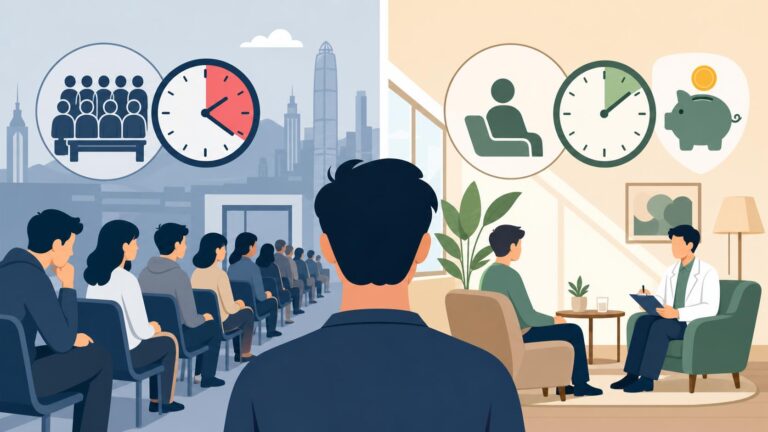
If the idea of sitting in a public waiting room for three hours makes your skin crawl, the private sector is your best bet. Hong Kong has a massive network of private laboratories and boutique clinics that cater specifically to the expat community. Here, you are paying for three things: speed, environment, and English-speaking staff who are trained in "Western-style" patient communication.
Benefits of Choosing a Private Laboratory
The most significant advantage of going private is the turnaround time. While public clinics might take a week or more to call you with results (usually only if they are positive), private labs like those found in Central or Tsim Sha Tsui often provide results via a secure email portal within 24 to 48 hours. Many expats prefer this because it eliminates the "no news is good news" anxiety of the public system.
In the private sector, you can often find Finding English-Speaking General Practitioners (GPs) in Central who can curate a specific testing panel for you. Instead of just the "standard" tests, they can include screenings for things like Mycoplasma or Ureaplasma, which are not always standard in the public sector. This level of detail is a major reason why many choose to pay the premium.
Direct Access vs Doctor Consultation
You have two choices in the private world: go to a GP first, or go directly to a lab. Some labs in Hong Kong allow "direct access" testing where you can walk in and select a "Comprehensive STD Panel" from a menu. This is highly discreet as you don't even have to discuss your history with a doctor. However, if your results come back positive, you will still need a doctor to write a prescription.
If you have a policy with Cigna Global, you might find that the cost of the consultation is covered, especially if you are presenting with symptoms. Cigna Global is well-regarded in Hong Kong for its extensive network of direct-billing clinics, which means you won't have to pay out of pocket and wait for reimbursement. For those on a more flexible or shorter-term arrangement, such as digital nomads using SafetyWing, it’s important to check if your plan covers "wellness" screenings or only "acute" issues. SafetyWing is often a lifesaver for travelers, but standard STD screenings without symptoms are frequently categorized as preventative care and may not be covered.
Comparing Public vs Private STD Testing
| Feature | Public Social Hygiene Clinics | Private Labs / Clinics |
|---|---|---|
| Cost (with HKID) | Free or very low (HK$10-HK$100) | High (HK$1,500 – HK$5,000+) |
| Anonymity | Confidential, but requires ID | Highly discreet, often via email |
| Wait Times | 2-4 hours (Walk-in) | 15-30 mins (Appointment) |
| Result Speed | 7-10 days | 24-48 hours |
| Environment | Basic, crowded, public | Professional, private, comfortable |
| Language | English available, but Cantonese dominant | Fluent English-speaking staff |
Insurance and Privacy Concerns
One of the most common questions I get from fellow expats is whether their insurance company will find out. In Hong Kong, medical privacy is taken seriously. If you pay out of pocket for a test at a private lab, that information stays with the lab and the doctor you consulted. It does not go to a central government database that your employer can access.
If you choose to claim the cost through Cigna Global, the insurance company will obviously see the diagnostic codes. If you are concerned about your employer-provided insurance seeing these details, you might consider paying for the testing yourself and only using the insurance for any necessary treatment. Cigna Global offers various levels of privacy and coverage that can be tailored to these concerns. For those who move between countries frequently, SafetyWing provides a reliable safety net, though as mentioned, they usually require you to be symptomatic for a claim to be valid.
It is always a good idea to include sexual health in your Essential Health Checklist for Your First 30 Days in Hong Kong. Knowing where the nearest clinic is before you actually need it can save you a lot of stress. If you prefer a more modern approach, some Telemedicine Apps in HK: DoctorNow and Virtual Consultations can even facilitate home-testing kits, though these are still relatively new in the Hong Kong market.
Taking the Next Steps After Your Results
Receiving your results is only the first part of the journey. If your results are negative, it’s a great time to discuss preventative measures like PrEP or the HPV vaccine with a specialist. If your results are positive, do not panic. Most common infections are easily treated with a course of antibiotics available at Pharmacies and Medication in HK: Prescriptions and OTC Rules.
Dealing with a Positive Result
If you tested through the public system, they will provide the medication on-site, often for a nominal fee. They will also provide a "contact slip" that you can give to your partner(s) anonymously, which encourages them to get tested without you having to have a difficult conversation face-to-face if you aren't comfortable.
If you went through a private hospital like those listed in Private Hospitals in Hong Kong: Admission, Costs, and Insurance, your doctor will handle the prescription and follow-up. You should be aware of the laws regarding medication; for instance, you should ask Are Antibiotics Available Over-the-Counter in Hong Kong?—the answer is generally no, you will need that doctor's prescription to get the right dosage.
Mental Health and Support
The stress of a health scare can take a toll on your well-being. Hong Kong can be a lonely place when you are dealing with a personal crisis. Don't hesitate to reach out to Mental Health in Hong Kong: Counseling and Expat Support Services if you find the anxiety is becoming unmanageable. There are many English-speaking counselors who specialize in sexual health and relationship issues within the expat community.
For those traveling or living as digital nomads, having a plan like SafetyWing ensures that if a minor issue turns into a complication, you have access to emergency care. Meanwhile, Cigna Global continues to be the "gold standard" for long-term expats who want the security of knowing that even complex health needs are covered. Regardless of which path you choose, the most important thing is that you take action. Hong Kong's medical system, while sometimes intimidating, is world-class and designed to get you back to your life as quickly as possible.
Disclaimer
This guide is for informational purposes only and does not constitute professional medical or legal advice. Healthcare regulations and clinic operating hours in Hong Kong can change. Always consult with a qualified medical professional or the Hong Kong Department of Health for the most current information regarding sexual health and testing procedures.