Red Cross Blood Donation Guidelines for Foreign Residents
Navigating the bureaucratic maze of a new city is exhausting, but finding out you are ineligible to help others can feel like a personal rejection. I still remember standing in the Causeway Bay donor center, my HKID in hand, feeling completely lost because I didn’t know the specific local rules for foreign blood. This guide clarifies every eligibility hurdle for expats wanting to donate.
Why Giving Blood Matters as a Foreigner in Hong Kong
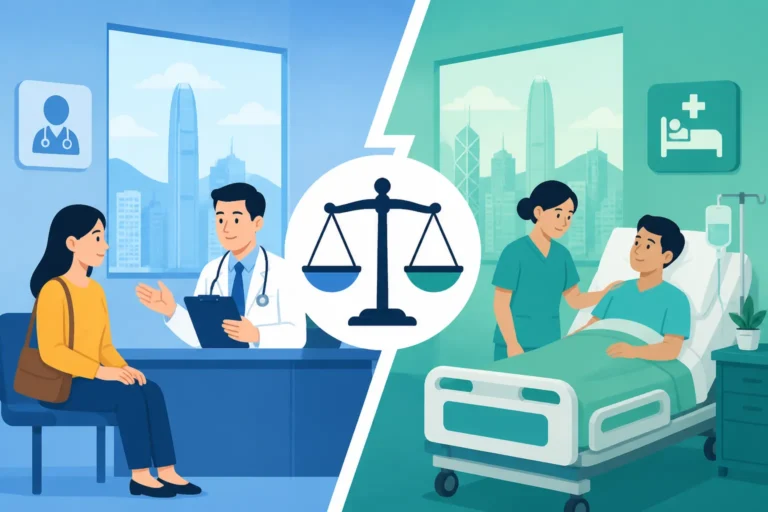
When you first move here, you are likely overwhelmed by the sheer density of the city. You are navigating the Healthcare in Hong Kong: Public vs Private Systems Explained (2027) and trying to figure out where you fit into this vertical jungle. Giving blood is one of the quickest ways to feel like a stakeholder in your new home rather than just a transient observer. The Hong Kong Red Cross Blood Transfusion Service (BTS) is the sole provider of blood to all public and private hospitals in the territory.
The blood supply in Hong Kong is frequently under pressure, especially during the humid summer months or the flu season. As an expat, you might carry blood type distributions that are slightly different from the local population. For instance, Rhesus-negative (Rh-) blood types are significantly rarer among the local Chinese population (around 1 in 1,000) compared to Caucasians (around 1 in 7). If you are Rh-negative, your contribution is not just welcomed; it is statistically vital for other expats and locals alike who share that rare type.
Beyond the altruistic impact, the Red Cross BTS operates under the Hospital Authority (HA) Guide: Accessing Public Healthcare for Expats, meaning the standards of care and hygiene are world-class. When you donate, you are effectively entering the local medical ecosystem. It is a great way to see how the system functions from the inside without being there for an emergency. The nurses are incredibly professional, and while Cantonese is the primary language, the staff in major centers are remarkably proficient in English.
Eligibility and the HKID Requirement
The most common question I get from new arrivals is whether they can donate without a permanent ID. The short answer is that you need a valid Hong Kong Identity Card (HKID). Whether you are here on a work visa, a dependent visa, or a student visa, that little smart card is your golden ticket. You will find that Registering Your HKID for Subsidized Public Healthcare Rates is one of your first administrative hurdles, and the Red Cross uses this card to track your donation history and ensure safety.
Age and weight are the next big filters. You must be between 16 and 65 years old for your first donation. If you are a seasoned donor and have given blood before, you can continue until you are 75, provided you pass the health screening. Weight-wise, you need to be at least 41kg (about 90lbs). Some enthusiastic young students are turned away for falling just short of the weight requirement, so it is worth stepping on a scale before you make the trip to a donor center.
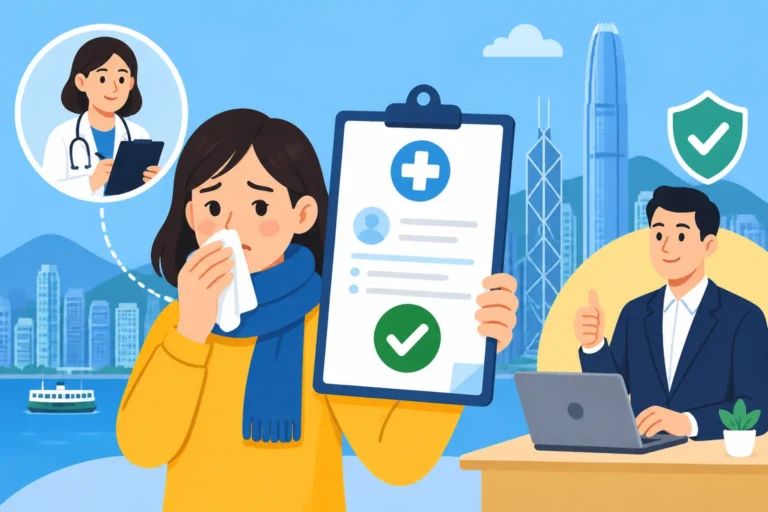
Health status is, of course, paramount. You need to be feeling "well" on the day. This sounds subjective, but the Red Cross defines it as being free from even minor symptoms like a scratchy throat or a lingering headache. If you have been managing any chronic conditions, it is a good idea to consult with one of the Finding English-Speaking General Practitioners (GPs) in Central to ensure your condition is stable enough for donation. Most stable conditions under control with medication are fine, but the nurse at the center will always have the final say.
The Geographic Deferral Maze
This is the part that usually trips up my European and British friends. For years, there was a strict "Mad Cow" (vCJD) deferral that barred anyone who lived in the UK, Ireland, or France for a cumulative period during the 1980s and 90s. The good news is that these rules have been modernized and, in many cases, relaxed significantly in line with international data. However, certain geographic restrictions still apply based on your recent travel history.
If you have recently returned from a trip to a malaria-endemic region—common for expats taking long weekends in Southeast Asia—you will face a deferral period. This is usually between three to six months. When you are ticking off your Essential Health Checklist for Your First 30 Days in Hong Kong, it is easy to forget that your pre-arrival travels might affect your eligibility. Always bring a record of your travel history from the last year; the nurses will check it against their current "restricted countries" list, which updates frequently based on global health trends.
The Red Cross also looks at where you were born and where you spent your childhood. This is to screen for conditions that might be endemic to certain parts of the world but rare in Hong Kong. It is not a form of discrimination, though it can feel frustrating when you want to help. The screening process is highly data-driven. If you are unsure, you can actually call their hotline in advance. It’s much better than trekking to a center only to find out your three years in a specific region of South America puts you on a temporary hold.
The Pre-Donation Health Screening
The screening in Hong Kong is thorough. Once you check in with your HKID, you are handed a tablet or a paper form with a long list of questions. These cover everything from your sexual history to recent dental work. It is vital to be 100% honest. People can feel embarrassed about questions regarding their lifestyle, but remember that the medical staff have heard it all before. Their only goal is the safety of the blood supply.
After the questionnaire, you will have a private consultation with a nurse. They will check your blood pressure and perform a quick finger-prick test to check your hemoglobin levels. This is a common sticking point for many expats, especially those who haven't adjusted their diet to the local environment. If your iron is too low, they will give you a small pack of iron supplements and ask you to come back in a month. It’s a good reminder to check your nutritional intake, perhaps by consulting Pharmacies and Medication in HK: Prescriptions and OTC Rules for quality supplements.
If you are worried about how a donation might impact your overall health, especially if you have a high-stress job or a long commute, having a robust health plan is a comfort. Many expats use Cigna Global to ensure they have access to private consultations if they feel fatigued after a donation. While the Red Cross is perfectly safe, knowing you have premium coverage like Cigna Global allows you to seek a second opinion or a comprehensive blood panel if you find yourself frequently deferred for low iron or other minor issues.
Managing Medications and Recent Travel
If you are currently taking any medication, you must disclose it. Most common medications, like birth control or mild antihistamines, won't stop you from donating. However, antibiotics, blood thinners, or certain acne medications usually require a waiting period. The Red Cross staff are very familiar with international brand names, but it helps to have the generic name of your medication ready. This avoids any confusion that could lead to a conservative (and unnecessary) deferral.
Travel is the most dynamic part of the eligibility criteria. Because Hong Kong is a massive travel hub, the Red Cross is very strict about "incubation periods" for tropical diseases. Even a weekend in certain parts of Thailand or Indonesia can trigger a deferral. If you are a frequent flyer, you might find your window of eligibility is quite narrow. This is where a short-term health solution like SafetyWing can be useful for those "in-between" periods of travel, ensuring you are covered for any ailments you might pick up abroad that could also affect your blood health.
Below is a quick reference table for common deferral periods in Hong Kong. Please note that these are guidelines and can change based on the latest medical advice from the Hospital Authority.
| Reason for Deferral | Typical Waiting Period |
|---|---|
| Tattoos or Body Piercings | 6 Months |
| Acupuncture (not by a registered doctor) | 6 Months |
| Tooth Extraction or Root Canal | 1 Week |
| Recovery from Common Flu/Cold | 1 Week after symptoms end |
| Antibiotics Course | 1 Week after final dose |
| Travel to Malaria-Endemic Areas | 3 to 6 Months |
| Pregnancy | 6 Months after delivery |
Donor Centers: Finding an English-Friendly Vibe
While there are donor centers across the city, from Yuen Long to Kwun Tong, some are definitely more "expat-friendly" in terms of English signage and staff comfort. The donor center at District HQ in West Kowloon is massive and very efficient, but for many, the centers in Central or Causeway Bay are more convenient. The Central Donor Centre, located on Connaught Road, is a favorite for those working in finance or law who want to pop in during a lunch break.
The atmosphere in these centers is generally very calm. Once you have passed the screening and the hemoglobin test, you are led to a reclining chair. The actual donation takes about 7 to 10 minutes. The staff are experts at finding veins—I have "difficult" veins, and they have never missed. After you are done, you are required to sit in the recovery area for at least 10 to 15 minutes. This is the best part: the snacks. You get a choice of juice (usually Ribena or orange) and local biscuits. It is a quintessential Hong Kong experience.
If you ever find yourself feeling unwell during the process, the staff are trained to handle it immediately. The system is closely linked to Emergency Medical Services in HK: Calling 999 and A&E Wards, though it is extremely rare for a donation to escalate to that level. The safety protocols are rigorous. If you are a first-time donor, tell them! They will keep a closer eye on you and make sure you are feeling 100% before they let you leave.
Post-Donation Care and Health Strategy
After you leave the center, the standard advice is to drink plenty of fluids and avoid heavy lifting or strenuous exercise for the rest of the day. This is not the day to go for a "Dragon's Back" hike. Most people feel perfectly fine, but some might experience a bit of lightheadedness. If you do, just sit down and put your head between your knees. The body replaces the plasma within 24 hours, though the red blood cells take a bit longer.
For those of us who live a high-intensity expat life, maintaining your health is part of the job. I’ve found that using the Cigna Global wellness portal helps me track my vitals and ensures that I’m in peak condition for my next donation. Similarly, if you are a digital nomad or a new arrival still waiting on your corporate insurance to kick in, SafetyWing provides that essential safety net should you have any rare complications or simply need peace of mind after participating in the local health system.
Donating blood is also a way to stay informed about your own health. Each time you donate, your blood is screened for several infectious diseases, including Hepatitis B, Hepatitis C, HIV, and Syphilis. If anything unusual comes up, the Red Cross will notify you confidentially. It shouldn't replace your regular check-up, but it is a helpful "data point" in your broader health journey. You can also track your donation history and see how many lives you've potentially saved through the "HK Blood" mobile app, which is available in English.
Navigating the Red Cross App and Appointments
Speaking of the app, I highly recommend downloading "HK Blood" before you go. It allows you to book appointments, which is much better than doing a walk-in. Some centers get incredibly busy on weekends or public holidays. The app also has a built-in eligibility quiz that can save you a trip if you have recently traveled or started a new medication. You can find out more about how the public system manages these digital tools in the How Specialist Referrals Work in the HK Public System guide.
The app also acts as a digital donor card. After your first donation, you will be assigned a donor number. This number stays with you for life in Hong Kong. It’s a small thing, but seeing your "Donation Count" go up feels like a real achievement. It’s a badge of honor in the expat community. Many offices even organize "Blood Drive Days" where a mobile donation van comes to your workplace. If your office doesn't do this, it’s a great initiative to suggest to HR.
Ultimately, giving blood in Hong Kong is a seamless experience once you understand the local quirks. It bridges the gap between being a "guest" in the city and being a member of the community. Whether you are here for a year or a decade, the blood you give stays here, helping a neighbor, a colleague, or a fellow traveler in their time of need. It’s the ultimate way to leave a positive mark on the city that gives us all so much.
Medical Disclaimer
The information provided in this article is for general informational purposes only and does not constitute professional medical advice, diagnosis, or treatment. Always seek the advice of your physician or other qualified health provider with any questions you may have regarding a medical condition or eligibility for blood donation. The Red Cross Blood Transfusion Service has the final authority on all donation eligibility based on their internal protocols and the donor's health status on the day of donation.