Medical Tourism to Shenzhen: Is it Safe for Dental Care?
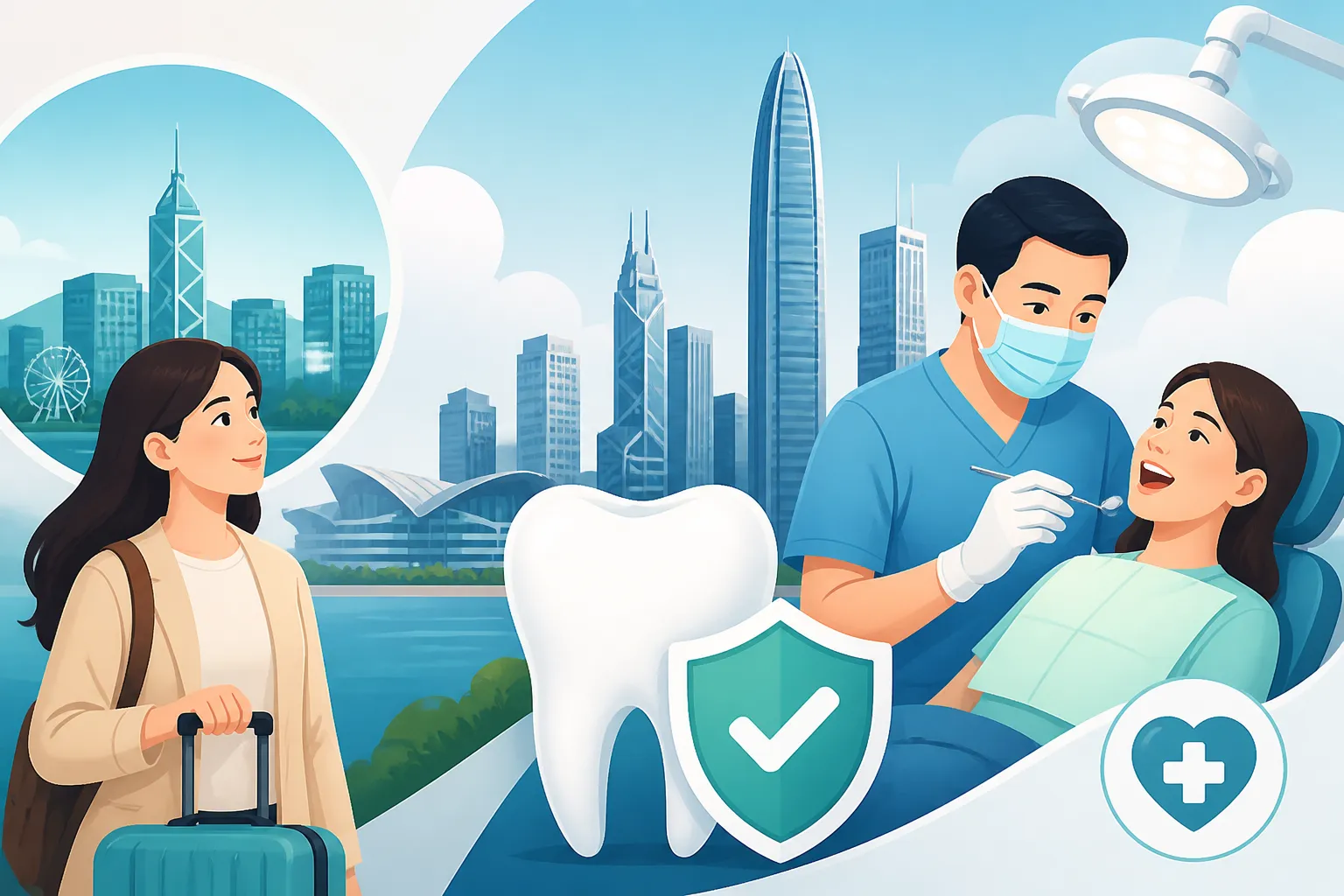
The dental bills in Hong Kong can be more painful than the toothache itself, often leaving expats with a choice between their savings and their smile. I remember staring at a quote for a single crown in Central that cost more than my monthly rent in Sheung Wan, and that's when I first considered crossing the border. This guide breaks down the safety, costs, and logistics of seeking dental care in Shenzhen to help you decide if the savings are worth the trip.
The Financial Reality of Hong Kong Dentistry
Living in one of the world's most expensive cities comes with certain trade-offs, and dental care is unfortunately one of the most significant. Unlike the public medical system where you can access subsidized care for emergencies, the Hospital Authority (HA) Guide: Accessing Public Healthcare for Expats clarifies that public dental services are extremely limited for the general public, usually restricted to emergency extractions or pain relief. For everything else, from routine cleanings to complex orthodontics, you are firmly in the private sector.
When you walk into a high-end clinic in an office tower in Central or Tsim Sha Tsui, you aren't just paying for the dentist's expertise; you are paying for the most expensive real estate on the planet. This overhead is passed directly to you. It is not uncommon for an Average Cost of Dental Implants and Root Canals in Hong Kong to reach levels that make a weekend trip to a neighboring city seem like a bargain. Even with Private Health Insurance Plans Beyond VHIS for Expat Families, dental riders often have low annual caps or high co-pays, making out-of-pocket expenses a certainty for major work.
Many foreigners are surprised to find that their Healthcare in Hong Kong: Public vs Private Systems Explained (2027) doesn't automatically include comprehensive dental coverage. This gap in the market has fueled a massive surge in medical tourism to Shenzhen. But the primary question remains: is it safe?
Understanding the Shenzhen Dental Landscape
Ten years ago, the idea of going to Shenzhen for a medical procedure might have elicited a raised eyebrow from your colleagues. Today, the landscape has shifted dramatically. Shenzhen has transformed from a manufacturing hub into a high-tech metropolis with medical facilities that often rival, and sometimes exceed, the technology found in older Hong Kong clinics.
The clinics catering to the Hong Kong "cross-border" market are typically located in the Luohu and Futian districts, right next to the major border crossings. These are not small, back-alley operations. Many are sprawling, multi-story facilities equipped with 3D panoramic imaging, German-made dental chairs, and in-house labs that can produce crowns in a single day. Large chains have built their entire business model around serving the Hong Kong expat and local community, offering English-speaking coordinators and accepting Hong Kong-style digital payments.
However, the quality can vary. While the high-end clinics are exceptional, there are still smaller, less regulated shops. The key is to look for clinics that are recognized by international bodies or those that have established a long-term reputation within the expat community. Many expats rely on brands like Cigna Global to help navigate international networks, as some premium plans may offer coverage or direct billing with specific high-tier providers in Mainland China.
Safety and Quality Standards Across the Border
Safety in dentistry is primarily about two things: sterilization protocols and the quality of materials used. Leading Shenzhen clinics are often more transparent about these factors than their Hong Kong counterparts because they know they have a "trust deficit" to overcome with international patients.
In these top-tier clinics, you will often see autoclaves and sterilization rooms with glass walls, allowing patients to see the process. They use imported materials for implants and crowns, such as Straumann from Switzerland or Nobel Biocare from Sweden. If you are worried about the origin of your dental hardware, these clinics will typically provide you with a serial number and a manufacturer's warranty card that is valid globally.
One common concern is the training of the dentists. In Mainland China, dentists at premium clinics are often graduates of top-tier domestic universities like Peking University or Sichuan University, and many have spent time as visiting scholars in the US, UK, or Germany. The main difference you might notice is the "style" of care. In Hong Kong, you might get more "chair-side" time with the lead dentist. In Shenzhen, the lead dentist often performs the critical parts of the procedure, while highly trained assistants or junior dentists handle the prep and finishing work.
Cost Comparison Hong Kong vs Shenzhen
The price difference is the primary driver for medical tourism. Generally, you can expect to pay 30% to 60% less in Shenzhen for the same procedure. For a single filling, the savings might not justify the three-hour round trip and the cost of a visa. However, for "big ticket" items like implants, bridges, or multiple veneers, the savings can run into the tens of thousands of dollars.
| Procedure Type | Hong Kong Private Clinic (HKD) | Shenzhen Premium Clinic (HKD Equivalent) | Estimated Savings |
|---|---|---|---|
| Routine Scaling & Polishing | 800 – 1,500 | 200 – 400 | 70s% |
| Simple White Filling | 1,000 – 2,500 | 300 – 600 | 70% |
| Root Canal (Molar) | 8,000 – 15,000 | 2,500 – 5,000 | 65% |
| Porcelain/Zirconia Crown | 7,000 – 12,000 | 2,500 – 4,500 | 60% |
| Dental Implant (Full) | 25,000 – 45,000 | 8,000 – 18,000 | 60% |
| Professional Teeth Whitening | 5,000 – 8,000 | 1,500 – 3,000 | 65% |
Keep in mind that these are estimates. Prices in Hong Kong fluctuate based on the district, while Shenzhen prices are often more "packaged." If you have Dental and Eye Care in Hong Kong: Costs, Clinics, and Coverage, you should always get a written quote in Hong Kong first to see if your insurance coverage makes the local option more competitive.
Logistics of a Shenzhen Dental Trip
Getting to your appointment is relatively straightforward, thanks to the integrated transport network. Most expats prefer using the High Speed Rail from West Kowloon to Futian or Shenzhen Bei, which takes less than 20 minutes. Alternatively, taking the MTR East Rail Line to Lo Wu or Lok Ma Chau is a cost-effective way to reach clinics located right at the border.
When planning your trip, remember to bring your Hong Kong Identity Cards (HKID): Registration and Smart IDs. Even though you are going for a medical appointment, you are still crossing an international border. You will need a valid visa for Mainland China unless you are from a country with a visa-free agreement. For many expats, the 5-day Shenzhen VOA (Visa on Arrival) at the Lo Wu border is an option, but it can be hit-or-miss in terms of wait times.
Using The Octopus Card: Hong Kong's Essential Transport & Payment Tool will get you to the border, but once you cross, you’ll need to rely on AlipayHK or WeChat Pay. Most major clinics in Shenzhen are now very tech-savvy and will even help you set up these apps if you haven't already. If you’re worried about navigating the city, many clinics offer a complimentary shuttle service from the border checkpoint directly to their front door.
Potential Risks and Disadvantages
It isn't all sunshine and savings; there are real risks to consider. The most significant is the lack of easy follow-up care. If you have an implant done in Shenzhen and it begins to feel loose or painful three weeks later, you cannot simply pop into the clinic after work. You have to dedicate another half-day or full-day to cross the border.
Legal recourse is another major factor. If a dentist in Hong Kong commits malpractice, you can file a formal complaint with the Medical Council or the Dental Council. While Mainland China has its own regulatory bodies, navigating a medical dispute in a different legal system with a potential language barrier is significantly more complex. This is why many expats choose to maintain a policy with SafetyWing or Cigna Global that includes some form of international assistance or emergency coverage, just in case a complication arises that requires urgent care back in Hong Kong.
Lastly, there is the issue of "over-treatment." Some high-volume clinics in Shenzhen are very sales-oriented. You might go in for a cleaning and be told you need five fillings and a crown. Always trust your gut. If a diagnosis seems aggressive, it is worth paying for a second opinion back in Hong Kong. You can even check Emergency Dentists in HK: What to Do on a Sunday or Public Holiday if you need a quick local assessment of a "failed" procedure from across the border.
Insurance Considerations for Cross-Border Care
Before you book your train ticket, check your insurance policy. Most standard VHIS plans are designed for Hong Kong-based hospitalization and won't cover outpatient dental work in Shenzhen. However, international plans from providers like Cigna Global are often "regionally" or "globally" portable. They may have a network of "direct-billing" clinics in Mainland China, which can save you the hassle of paying upfront and claiming later.
SafetyWing is another popular choice for those who move between Hong Kong and other regions, as it provides a safety net for unexpected medical needs while traveling. However, it’s important to distinguish between "medical tourism" (where you go specifically for a procedure) and "emergency care." Most insurance providers will not cover elective dental work done abroad unless you have a specific dental rider that explicitly mentions international coverage.
Always ask the Shenzhen clinic for an itemized receipt in English. You will need this, along with a brief medical report, if you intend to file a claim. If the clinic only provides a receipt in Chinese, you may need to use a service for Medical Translation Services: Navigating Local Clinics Without Cantonese or Mandarin to satisfy your insurer’s requirements.
Practical Tips for Your First Visit
If you decide to take the plunge, start small. Don't book a full mouth of veneers for your first visit. Go for a simple scaling and polishing or a single filling. This allows you to "vibe check" the clinic, assess their hygiene standards, and see how they handle communication.
- Book in advance: The best clinics are busy, especially on weekends when Hong Kongers flock across the border.
- Request an English-speaking dentist: Most large clinics have at least one or two dentists who studied abroad.
- Check the hardware: If you are getting an implant, ask for the brand and the warranty details before they start.
- Bring a friend: Having someone with you makes the border crossing and the navigation much less stressful.
- Watch the weather: Check the How to Use the HK Observatory App for Accurate Weather Warnings guide before you go. A T8 typhoon signal in Hong Kong will shut down the border transport, leaving you stranded.
By doing your due diligence and choosing a reputable clinic, Shenzhen can be a safe and highly effective way to manage your dental health without draining your bank account. Just remember to factor in the cost of the visa, the transport, and your time when calculating the total "savings."
Disclaimer Regarding Medical Advice
This article is for informational purposes only and does not constitute professional medical or dental advice. The experiences of expats can vary significantly, and the regulatory environment in both Hong Kong and Mainland China is subject to change. Always consult with a qualified dental professional and check the current entry requirements for Shenzhen before planning any medical travel. The author and this website are not responsible for the quality of care received at any specific facility.