Expat Support Groups for Postpartum Depression in Hong Kong
The sheer isolation of staring out at the Victoria Harbour skyline from a silent, cramped apartment while your newborn cries is a specific kind of loneliness only an expat mother in Hong Kong truly understands. I vividly remember sitting in my Mid-Levels flat three weeks postpartum, feeling like the city’s frantic energy was moving a million miles an hour while I was drowning in a fog I couldn't explain. This guide is designed to help you navigate the specialized support groups and mental health resources available for postpartum depression (PPD) in Hong Kong so you don't have to face that fog alone.
The Unique Challenges of Postpartum Mental Health in Hong Kong
Living in Hong Kong as a foreigner often means you are operating without the "village" of support you would have back home. While the city offers incredible career opportunities and a high standard of living, the lack of immediate family can turn the transition into motherhood into a period of extreme vulnerability. Postpartum depression isn't just "the baby blues"—it is a clinical condition that is frequently exacerbated by the hyper-competitive, high-pressure environment of this city.
For many of us, the pressure to "bounce back" is immense. You see mothers on Instagram taking their infants to brunch in Soho or hiking the Dragon's Back just weeks after delivery, and the internal narrative of "why can't I do that?" begins to take hold. It is vital to validate that your struggle is real and that the Hong Kong lifestyle—characterized by small living spaces, high humidity, and a culture that prizes "stiff upper lip" resilience—can make PPD feel significantly more suffocating.
In my experience, the first step is realizing that the medical system here is world-class, but it can be fragmented. Whether you used the public system for Maternity and Childbirth in HK: Public Wards vs Private Packages or opted for a private suite, the follow-up care for mental health often requires you to be your own advocate. Understanding Mental Health in Hong Kong: Counseling and Expat Support Services is a crucial part of your recovery toolkit.
Peer-Led Support Groups and Expat Communities
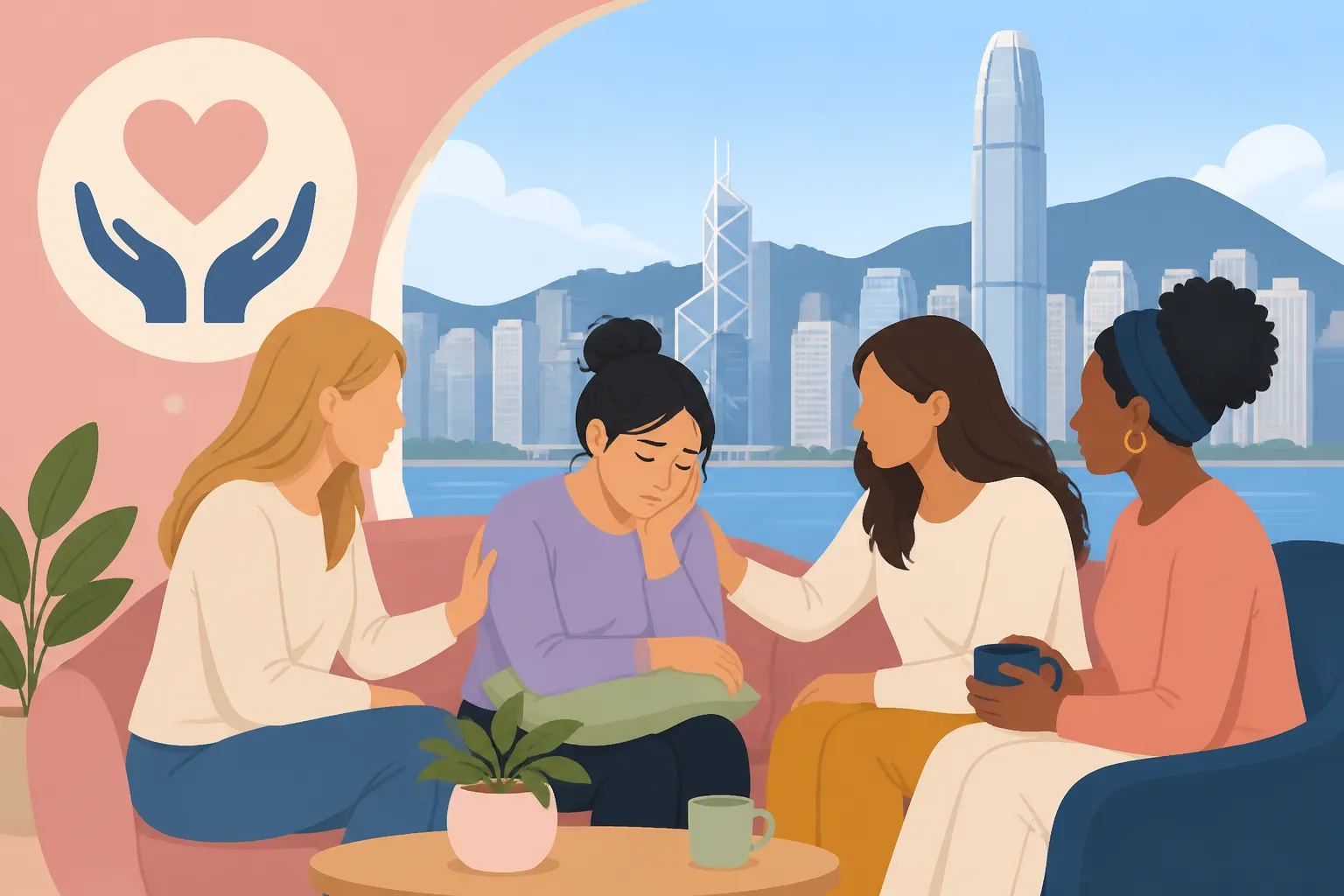
Sometimes, the most effective medicine is talking to another woman who has sat on her bathroom floor crying at 3 AM. Hong Kong has a vibrant, if sometimes informal, network of peer-led support groups. These are spaces where you can drop the "everything is fine" facade and speak honestly about the intrusive thoughts, the exhaustion, and the loss of identity that often accompany PPD.
One of the most well-known resources is the "HK Mums" Facebook group and its various offshoots. While these groups are general in nature, they often have private "WhatsApp" subgroups specifically for mental health or for mothers who delivered in the same month. These subgroups are lifelines. You’ll find women discussing everything from the best Pharmacies and Medication in HK: Prescriptions and OTC Rules to which pediatricians actually listen to mothers' concerns.
There are also more structured peer organizations like the "Mind HK" initiatives, which have worked hard to destigmatize mental health in the territory. They often host "Panda Tea" events or similar meetups where new mothers can connect. If you are worried about the cost of professional therapy, checking if your insurance providers like Cigna Global or SafetyWing cover "wellness" or "counseling" services can help you bridge the gap between peer support and clinical intervention.
| Support Type | Provider/Group | Focus Area | Access Method |
|---|---|---|---|
| Peer Support | Mind HK / Panda Tea | Emotional Peer Support | Online Registration |
| Clinical Public | Maternal and Child Health Centres (MCHC) | Screening and Referrals | Walk-in / Appointment |
| Private Therapy | Central Health / OT&P | Specialized Perinatal Care | Private Booking |
| Community | La Leche League HK | Breastfeeding & Emotional Support | Monthly Meetings |
| Crisis | The Samaritans (English) | 24/7 Crisis Hotline | 2896 0000 |
Professional Counseling and Clinical Avenues
When peer support isn't enough, Hong Kong offers highly specialized clinical support for perinatal mental health. The private sector is particularly robust, with many clinics in Central and Southside offering English-speaking psychologists who specialize in the "expat transition." These professionals understand the specific stressors of living abroad, such as the "trailing spouse" dynamic or the anxiety of navigating Private Health Insurance Plans Beyond VHIS for Expat Families.
In the public sector, the Maternal and Child Health Centres (MCHC) are your primary point of contact. Every woman who gives birth in Hong Kong is encouraged to attend Prenatal Care via the Maternal and Child Health Centres (MCHC) and follow-up postnatal checkups. During these visits, nurses typically administer the Edinburgh Postnatal Depression Scale (EPDS). If you score above a certain threshold, they can refer you to the Hospital Authority’s psychiatric or psychological services. However, be aware that waiting times in the public system for non-emergency cases can be long.
If you have a comprehensive policy with a provider like Cigna Global, you might have the luxury of bypassing the public waitlists. Many expat-focused policies include psychiatric coverage that allows you to see a specialist in a private setting within days. Similarly, for digital nomads or those on shorter-term assignments, SafetyWing can offer essential coverage that ensures you aren't paying out-of-pocket for expensive private sessions. It's always worth checking if you need a GP Referral to See a Private Specialist in HK to ensure your insurance claims are processed smoothly.
Leveraging Domestic Help as a Mental Health Tool
One of the unique aspects of living in Hong Kong is the availability of Live-in Foreign Domestic Helpers. While this is a luxury most expats don't have back home, it can be a double-edged sword when you are suffering from PPD. On one hand, having someone to handle the laundry, cleaning, and meal preparation should, in theory, lower your stress. On the other hand, many mothers feel a sense of "mom guilt" or feel that their role as a mother is being supplanted, which can worsen depressive symptoms.
The key is to view your helper as a professional partner in your recovery. By delegating the physical labor of the household, you can carve out time for therapy, exercise, or even just a nap—all of which are vital for brain chemistry regulation during PPD. If you are in the process of Hiring a Foreign Domestic Helper in HK: Legal Rules and Costs, look for someone who has experience with newborns and a calm demeanor.
Training your helper can also provide you with peace of mind. Ensuring they have completed CPR and Choking First Aid Courses for Foreign Domestic Helpers allows you to leave the house for your own medical appointments without the constant "what-if" anxiety that often fuels postpartum distress. Remember, your helper is there to support the household so that you can focus on getting healthy for your baby.
Practical Steps to Take Right Now
If you are reading this and feeling overwhelmed, take a breath. Hong Kong is a fast city, but you are allowed to slow down. The first thing you should do is book an appointment with your General Practitioner. If you don't have one yet, Finding English-Speaking General Practitioners (GPs) in Central is a good starting point. A GP can rule out physical issues like thyroid dysfunction or iron deficiency, which often mimic PPD symptoms in the humid Hong Kong climate.
Next, reach out to one of the expat-friendly doula services. Even if you have already given birth, many "postpartum doulas" in the city offer "mothering the mother" services. They can come to your home, help with breastfeeding, and provide a non-judgmental ear. They are often the best-connected people in the city when it comes to knowing which English-Speaking Psychologists and Psychiatrists currently have openings.
Finally, don't ignore the logistics of your healthcare. Take ten minutes to review your insurance documents. Whether you have VHIS vs Employer Group Medical Insurance: Do You Need Both? or a private international plan, knowing exactly how much coverage you have for mental health can remove the financial "fear factor" that prevents many women from seeking help. If your plan is through Cigna Global or SafetyWing, call their 24-hour helplines to ask for a list of direct-billing mental health providers in Hong Kong.
Integrating Traditional and Holistic Support
In Hong Kong, Western medicine often lives side-by-side with ancestral wisdom. While clinical depression requires clinical intervention, many expat women find supplementary relief through Traditional Chinese Medicine (TCM) in HK: A Guide for Foreigners. TCM practitioners often view postpartum issues as an imbalance of "Qi" or a "blood deficiency" following the trauma of birth.
A gentle course of TCM Acupuncture and Cupping: Integration with Western Medicine can help with the insomnia and physical tension that accompany PPD. However, always ensure your TCM practitioner is registered and that you inform your primary doctor about any herbal supplements you are taking, especially if you are breastfeeding.
Many mothers also find solace in the city's specialized yoga and wellness studios. Places in Sheung Wan and Central offer "Postnatal Flow" classes that focus as much on mental centering as they do on core strength. Being in a room with other women who are also navigating the "fourth trimester" can be a powerful antidote to the isolation of expat life.
Navigating Emergency Situations
If you ever feel that you are a danger to yourself or your baby, you must bypass the support groups and go straight to Emergency Medical Services in HK: Calling 999 and A&E Wards. Hong Kong’s public A&E departments are highly efficient at handling psychiatric crises. You will be triaged, and if necessary, admitted to a specialized ward where you can receive immediate stabilization.
It is also helpful to keep the number for the Samaritans (2896 0000) saved in your phone. They offer a 24-hour English-speaking service for anyone in emotional distress. It is a free, confidential resource that has helped countless expats through their darkest hours in this city. You might also want to look into Public vs Private Psychiatric Care: Waiting Times and Costs so you know exactly what to expect if you need more intensive, long-term inpatient support.
Recovery from postpartum depression is not a linear journey, especially in a city as intense as Hong Kong. But between the growing network of expat support groups, the world-class private specialists, and the support of the community, there is a path back to yourself. You are not a "bad mother" for struggling; you are a human being navigating a major life transition in a foreign land. Reach out today—the "village" is there, you just have to know where to look.
Disclaimer
This guide is for informational purposes only and does not constitute professional medical advice, diagnosis, or treatment. Always seek the advice of your physician or other qualified health provider with any questions you may have regarding a medical condition or mental health concerns. If you are in a crisis, contact emergency services immediately.