Suicide Prevention and English Crisis Hotlines in HK (Samaritans)
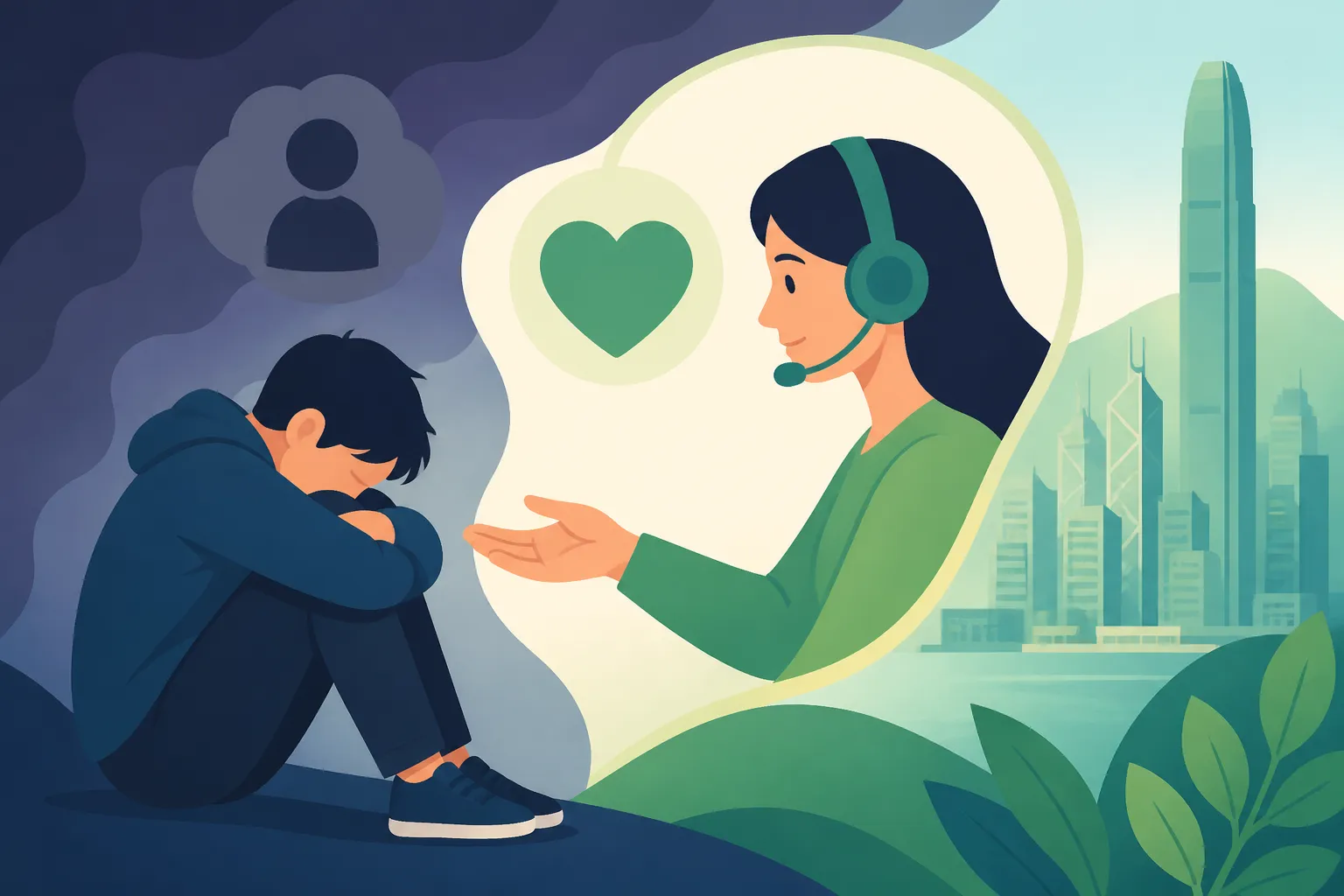
Living in the high-octane pressure cooker of Hong Kong can feel incredibly isolating, especially when the "work hard, play hard" facade starts to crumble and you realize you have no one to talk to. I remember sitting in my tiny studio apartment in Sai Ying Pun, overwhelmed by the city's relentless pace and feeling like a ghost in a crowd of millions. This guide provides the essential English-speaking crisis hotlines and mental health resources you need to navigate dark times in the 852.
The Reality of Mental Health for Expats in Hong Kong
Hong Kong is a city of extremes. On one hand, you have the shimmering skyline of Central and the luxury of the Peak; on the other, you have some of the longest working hours in the world and a culture that often prizes stoicism over emotional vulnerability. For many of us who moved here for career opportunities, the pressure to succeed can be suffocating. When you add the loss of a traditional support network—your family and lifelong friends are likely thousands of miles away—a bad week can quickly spiral into something much more serious.
The "expat bubble" is real, and while it offers a sense of community, it can also feel superficial. There is often an unspoken rule that you must always be "crushing it" or enjoying your "best life" in Asia. Admitting that you are struggling with suicidal thoughts or severe depression feels like failing at the very adventure you moved here for. Validating these feelings is the first step toward recovery. You are not failing; you are human, and Hong Kong is a notoriously difficult environment to maintain mental equilibrium.
If you are currently feeling overwhelmed, it is important to know that help is available in English, 24/7. Organizations like The Samaritans Hong Kong and Suicide Prevention Services have spent decades tailoring their outreach to both local and international communities. Whether you are dealing with work-related burnout, relationship breakdowns, or the deep-seated loneliness that often accompanies life in a foreign city, you do not have to carry the weight alone.
Immediate English Speaking Crisis Hotlines
When you are in the middle of a crisis, you don't want to navigate a complex phone tree or worry about a language barrier. Hong Kong has several dedicated lines where English speakers are prioritized or readily available. The volunteers on these lines are trained to listen without judgment, providing a safe space for you to vent, cry, or simply sit in silence with someone who understands.
The Samaritans Hong Kong 24 Hour Multi Lingual Hotline
The Samaritans (Multi-lingual service) is perhaps the most well-known resource for foreigners in the city. They operate a 24-hour hotline that is specifically designed to handle calls in English and other languages. What makes this service unique is its commitment to total anonymity and confidentiality. When I first looked into their services, I was relieved to find that they are not a government agency; they are a non-profit fueled by dedicated volunteers who truly care about suicide prevention.
When you call, you won't be asked for your HKID or your address unless there is an immediate threat to your life. The conversation is led by you. They aren't there to give you "tough love" or tell you to "cheer up." Instead, they practice active listening. This can be a lifeline if you are worried that your employer might find out about your mental health struggles, a common fear for those on a General Employment Policy (GEP): Standard Work Visas for Expats. Knowing that your conversation stays between you and the volunteer is often the only thing that gives people the courage to dial.
Suicide Prevention Services SPS
While their name is direct, Suicide Prevention Services (SPS) offers a broad range of support for anyone in emotional distress. They have a 24-hour hotline, though it is worth noting that their primary language is Cantonese. However, they almost always have English-speaking staff or volunteers available, or they can arrange for a callback. SPS is particularly active in community outreach and understands the specific cultural nuances of Hong Kong that can contribute to a sense of hopelessness.
If you find yourself in a situation where you feel you might act on your thoughts, these hotlines serve as a "circuit breaker." They provide a moment of human connection that can de-escalate the intensity of the crisis. Many expats find that just having the Samaritans’ number saved in their phone provides a "safety net" feeling, even if they never actually call. It is part of an Essential Health Checklist for Your First 30 Days in Hong Kong to ensure these numbers are accessible before you ever think you might need them.
Navigating the Public vs Private System for Mental Health
Once the immediate crisis has passed, the next hurdle is finding long-term professional support. In Hong Kong, you essentially have two paths: the public system under the Hospital Authority and the private sector. Both have significant pros and cons, especially regarding cost and waiting times. If you have comprehensive insurance through Cigna Global or SafetyWing, your path will likely lead to the private sector, but it is vital to understand both.
Accessing Public Psychiatric Care
The public system is incredibly affordable for those with a valid HKID, but it is notoriously overstretched. If you go through the Hospital Authority (HA) Guide: Accessing Public Healthcare for Expats, you will find that psychiatric services are triaged. Urgent cases are seen quickly, but for "stable" conditions like chronic depression or anxiety, the wait times can be months or even years. This is a source of immense frustration for many foreigners who expect immediate care.
To enter the public system, you typically need a referral from a General Outpatient Clinic (GOPC) or a private GP. If you are in an active suicidal crisis, you should skip the clinics and go directly to the Accident and Emergency (A&E) department of a public hospital like Queen Mary or Princess Margaret. They have duty psychiatrists who can perform an immediate assessment. For a deeper look at the logistics, check out Emergency Medical Services in HK: Calling 999 and A&E Wards.
Private Therapy and Counseling Options
For those who cannot wait for the public system, the private sector offers world-class care but at a high price point. A single session with an English-speaking psychologist in Central or Tsim Sha Tsui can range from HK$1,500 to HK$3,000. This is where having a plan from Cigna Global becomes invaluable, as many of these plans offer specific modules for mental health and outpatient counseling.
The advantage of the private sector is the ability to choose your therapist. Accessing English-Speaking Psychologists and Psychiatrists is much easier in the private market, and you can often find specialists who understand the specific stressors of expat life, such as "trailing spouse" syndrome or the pressures of the financial sector. Many of these clinics offer a more holistic approach, combining talk therapy with lifestyle adjustments and, if necessary, medication management.
| Resource Name | Contact Number | Availability | Primary Language |
|---|---|---|---|
| The Samaritans HK | 2896 0000 | 24/7 | English / Multi-lingual |
| Suicide Prevention Services | 2382 0000 | 24/7 | Cantonese (English available) |
| Social Welfare Dept. | 2343 2255 | 24/7 | English / Cantonese |
| Kely Support Group | 2539 8739 | Office Hours | English (Youth focused) |
| Emergency Services | 999 | 24/7 | English / Cantonese |
Specific Stressors for Foreigners in Hong Kong
Understanding why you feel this way is often the first step in de-stigmatizing your experience. Hong Kong presents a unique set of environmental and social stressors that can exacerbate underlying mental health issues. For example, the physical environment itself is challenging. Dealing with Humidity and Mold in Your Apartment isn't just a domestic chore; living in a dark, damp, and cramped space can significantly impact your mood and respiratory health, leading to a sense of lethargy and "cabin fever."
Furthermore, the "7-year clock" for permanent residency can create an immense amount of pressure. Many expats feel they cannot leave a toxic job or take a break because it might jeopardize their path to Right of Abode (Permanent Residency): The 7-Year Journey. This "visa hostage" feeling is a major contributor to burnout and depression. You might feel that you have to endure any level of mistreatment just to reach that seven-year milestone.
There are also gender-specific and life-stage-specific pressures. New mothers, for instance, often struggle with the lack of family support, which is why Expat Support Groups for Postpartum Depression in Hong Kong are so vital. Men, conversely, often face a corporate culture that views mental health struggles as a sign of weakness, leading to increased substance abuse as a coping mechanism. Acknowledging that these are systemic Hong Kong issues, rather than personal failings, can provide significant emotional relief.
Steps to Take if You Are Worried About a Friend
If you are an expat and you notice a colleague or friend starting to withdraw, it is important to act. In a city where everyone is "busy," people often slip through the cracks. If a friend stops showing up for Friday night drinks at Soho or starts making jokes about "ending it all," don't dismiss it as Hong Kong cynicism. The isolation of this city can make those thoughts feel very logical to someone in pain.
First, ask them directly. It is a myth that asking about suicide "plants the seed." In reality, it often provides the individual with an immense sense of relief that someone has noticed their pain. Offer to sit with them while they call a hotline or help them look into Public vs Private Psychiatric Care: Waiting Times and Costs if they are worried about the financial burden of seeking help. Sometimes, just helping them navigate the administrative hurdles of the Hospital Authority Fees: Eligible Persons (EP) vs Non-Eligible Persons (NEP) can be the practical support they need to finally seek care.
If the situation is an immediate emergency—if they have a plan and the means to carry it out—do not leave them alone. In Hong Kong, the protocol is to call 999. The police and ambulance services are trained to handle mental health emergencies, and while the experience of being taken to a public ward can be jarring, it is a life-saving measure. It is better to have a friend who is upset with you for calling 999 than to lose a friend because you didn't.
Financial Support and Insurance Coverage
One of the biggest barriers to seeking mental health support in Hong Kong is the perceived cost. If you aren't covered by an employer's group medical plan, you might feel that therapy is a luxury you can't afford. This is where specialized expat insurance like Cigna Global or SafetyWing plays a critical role. Some plans offer "International Outpatient" coverage that includes a set number of psychiatric or counseling sessions per year.
It is worth noting that some insurance providers have a waiting period for psychiatric conditions, so it is best to secure coverage early. If you are currently uninsured and in crisis, don't let the fear of a hospital bill stop you from going to the A&E. For those with a HKID, the cost of a public hospital visit is extremely low (usually around HK$180 for A&E and a small daily fee for hospitalization). Even for "Non-Eligible Persons" (tourists or those without a HKID), the fees are standardized, and the hospital will prioritize your life over your ability to pay in an emergency.
For those looking for more affordable long-term options, several NGOs and sliding-scale clinics exist in Hong Kong. Organizations like Mind HK provide a directory of professionals and can help guide you toward services that fit your budget. Remember, your mental health is an investment in your future in this city. Without it, the high salary and career growth you came here for won't mean much.
Summary of Crisis Resources and Next Steps
If you are reading this and feeling like you are at the end of your rope, please take one small action right now. Save the Samaritans’ number (2896 0000) in your phone. You don't have to call it today, but having it there is a commitment to your future self. Hong Kong is a tough city, but it is also a place of incredible resilience and community if you know where to look.
Moving forward, consider building a more robust "mental health toolkit." This might include finding a regular therapist through Mental Health in Hong Kong: Counseling and Expat Support Services, joining a local sports club to combat loneliness, or simply being more honest with your friends about how you are actually doing. The facade of the "perfect expat life" is a heavy mask to wear; taking it off is often the most courageous thing you can do in Hong Kong.
Disclaimer
The information provided in this article is for educational and informational purposes only and is not a substitute for professional medical advice, diagnosis, or treatment. If you are in an immediate crisis or experiencing a medical emergency, please call 999 immediately or go to the nearest Accident and Emergency department. Always seek the advice of a qualified health provider with any questions you may have regarding a medical or mental health condition.