IUD Insertion and Removal Options at HK Women’s Clinics
Finding a gynecologist who actually listens to your concerns about long-term contraception in Hong Kong can feel like a grueling part-time job. I remember the sheer panic of trying to navigate a cramped waiting room in Wan Chai, clutching my HKID and wondering if I’d even be able to explain my medical history correctly. This guide meticulously breaks down the IUD insertion and removal process, costs, and clinic options so you can bypass the stress I went through.
Navigating the Choice Between Public and Private Clinics
When you first start looking into getting an Intrauterine Device (IUD) in Hong Kong, you’ll immediately realize the healthcare system is split into two very different worlds. The public system, managed by the Department of Health’s Family Health Service (FHS), offers incredibly subsidized rates for residents. However, the trade-off is the wait time. If you are a new resident, you first need to look into Registering Your HKID for Subsidized Public Healthcare Rates before you can even book an initial assessment. Once registered, you might wait several months for a consultation at a Maternal and Child Health Centre (MCHC).
In the public sector, the environment is functional and efficient but often lacks the "hand-holding" some expats prefer. You will likely see whichever doctor is on duty, and the appointment can feel rushed because of the high volume of patients. If you have a specific preference for a doctor who speaks perfect English or want to discuss your options in depth, you might find the public system a bit clinical. However, for those on a tight budget, it is an unbeatable option, as the device and the procedure costs are almost entirely covered for HKID holders.
On the flip side, the private sector offers a much more personalized experience. Clinics in areas like Central, Tsim Sha Tsui, or Repulse Bay cater specifically to the expat community and provide a level of comfort that feels more familiar to those from Western countries. When you visit Private Hospitals in Hong Kong: Admission, Costs, and Insurance providers, you are paying for the convenience of picking your appointment time, usually within the same week, and having a dedicated gynecologist who will follow your case from insertion to the six-week check-up.
Types of IUDs Available and the Consultation Process
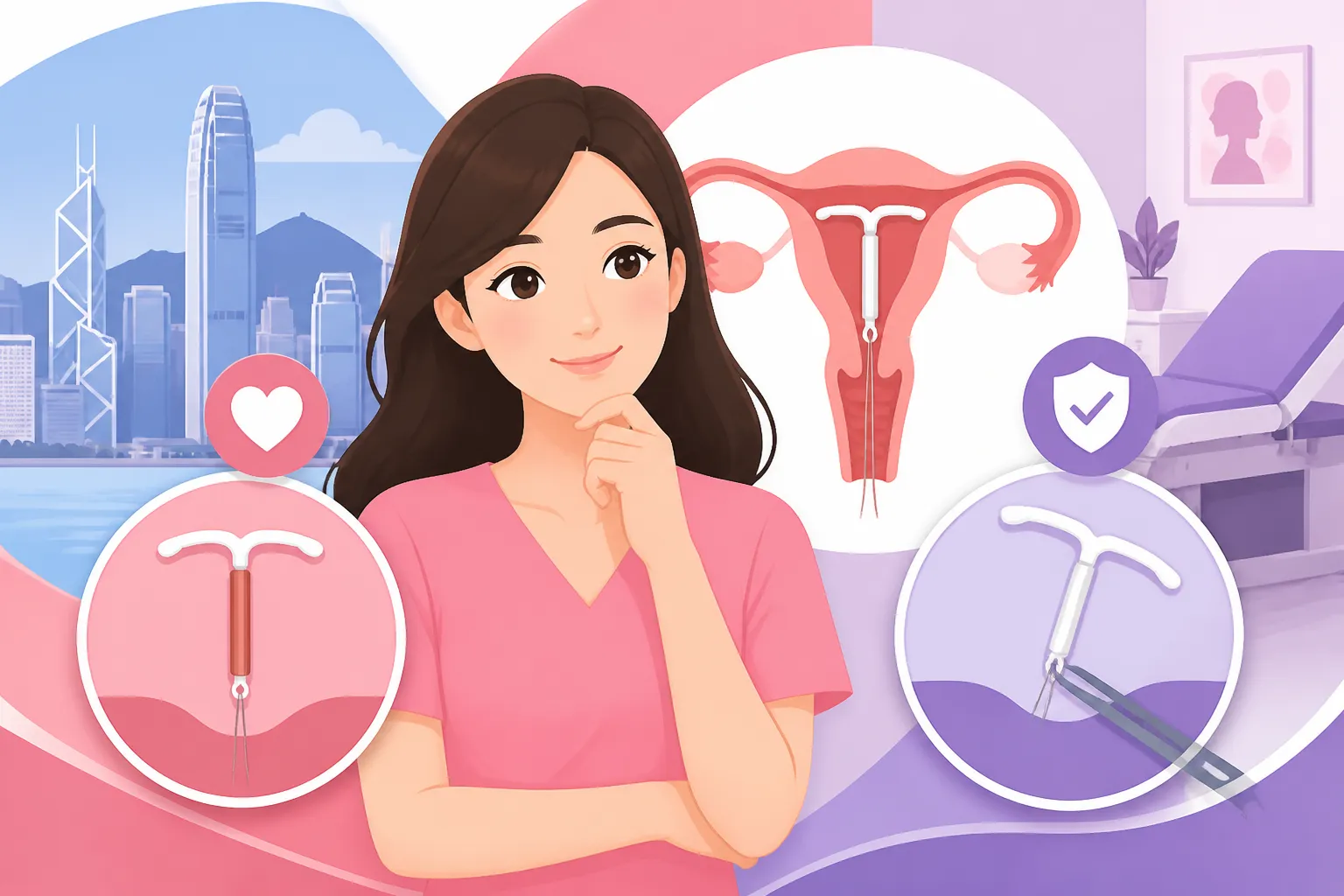
Hong Kong clinics typically offer the two main categories of IUDs: hormonal and non-hormonal (copper). The hormonal options, such as Mirena or Kyleena, are popular among expats because they often lead to lighter periods, which is a blessing given the intense humidity and active lifestyle many lead here. Copper IUDs, like the Nova-T, are the go-to for those who want to avoid hormones entirely. During your first consultation, your doctor will perform a pelvic exam and likely an ultrasound to ensure your uterus is the right shape and size for the device.
In my experience, private doctors are more likely to carry a wider variety of brands. If you are specifically looking for a smaller hormonal device like Kyleena, which is often preferred by women who haven't given birth, you should call ahead to confirm the clinic has it in stock. Public clinics usually have a standard hormonal and a standard copper option. Regardless of where you go, you should ensure your Women's Health Clinics: Gynecology and Routine Cancer Screenings are up to date, as many doctors will want a recent Pap smear on file before proceeding with the insertion.
The consultation is also the time to discuss your medical history. If you have moved to Hong Kong recently and are still getting settled, make sure you have digital copies of your previous records. Navigating the Private Health Insurance Plans Beyond VHIS for Expat Families can be tricky, so check if your policy requires a specific referral or if contraception is considered a "wellness" benefit rather than a medical necessity. Some high-end plans from Cigna Global may cover the procedure if it is for managing conditions like endometriosis or heavy bleeding, rather than just birth control.
The Reality of the Insertion and Removal Procedure
The day of the insertion can be nerve-wracking, but knowing what to expect helps. Most Hong Kong doctors will advise you to take an over-the-counter painkiller like Ibuprofen about an hour before your appointment. You can easily find these at local pharmacies; just make sure you understand the Over-the-Counter (OTC) Medicines in HK: Watsons, Mannings, and Rx rules so you get the right dosage. The procedure itself usually takes less than fifteen minutes. The doctor uses a speculum, cleans the cervix, and then inserts the IUD through a small tube. You will feel a sharp cramp—often described as a "super period cramp"—that lasts for about thirty seconds.
After the insertion, most private clinics in Hong Kong will have you lie down for ten to fifteen minutes to ensure you don't feel faint. This is a good time to ask about the "tail" or the strings of the IUD. Your doctor will show you how to check them yourself. In the public system, you might be moved to a recovery area more quickly to make room for the next patient. It is wise to have a friend meet you or taking a taxi home afterward. While some people feel fine, others experience cramping and spotting for the rest of the day.
Removal is a much simpler affair. If your IUD has reached its expiry date (usually 3 to 10 years depending on the model) or if you are Maternity and Childbirth in HK: Public Wards vs Private Packages planning, the removal takes about two minutes. The doctor simply uses forceps to pull the strings, and the device collapses and slides out. Most women find removal significantly less painful than insertion. If you are switching devices, many clinics can perform the removal and a new insertion in the same visit, though you should confirm this during booking.
Understanding the Costs and Insurance Landscape
The cost of an IUD in Hong Kong varies wildly depending on the "vibe" of the clinic and its location. A clinic in a premium building in Central will naturally charge more than a neighborhood clinic in New Territories. Generally, you are looking at three separate costs: the consultation fee, the cost of the device itself, and the procedure fee. For those using SafetyWing for their travel or expat medical needs, it is vital to check if "routine maternity and outpatient" coverage is included in your specific tier, as basic plans often exclude elective contraception.
| Clinic Type | Estimated Consultation Fee | Estimated Device & Procedure Cost | Total Estimated Cost (HKD) |
|---|---|---|---|
| Public (MCHC) | HK$0 – $135 | Subsidized/Free | HK$0 – $150 |
| Private (Local) | HK$800 – $1,200 | HK$1,500 – $2,500 | HK$2,300 – $3,700 |
| Private (Expat/Central) | HK$1,500 – $2,500 | HK$3,000 – $5,500 | HK$4,500 – $8,000 |
If you are covered by a corporate plan from Cigna Global, you should call their hotline to ask about "direct billing" for gynecological procedures. Many top-tier clinics in Hong Kong offer direct billing, meaning you don't have to pay anything upfront; the clinic handles the paperwork with the insurer. If your plan doesn't support this, you will need to pay and then file a claim. Make sure to keep the "official receipt" and the "clinical note" provided by the doctor, as insurers are very particular about documentation in Hong Kong.
For those without insurance coverage, it might be worth looking into the Family Planning Association of Hong Kong (FPAHK). They sit somewhere between the public and private systems in terms of cost and speed. They are a non-profit and offer Birth Control Pills in HK: Do You Need a Prescription at Watsons? alternatives as well as IUD services. Their rates are higher than the public MCHCs but significantly lower than private specialists in Central. They are a fantastic resource for students or those on a budget who can't wait months for a public appointment.
Post-Procedure Care and Long-Term Maintenance
Once the IUD is in place, your doctor will usually schedule a follow-up appointment for six weeks later. This is a crucial step that many expats skip because they feel "fine." However, the doctor needs to perform a quick ultrasound to ensure the device hasn't shifted during your first post-insertion period. In the rare event that an IUD is expelled or moves, it usually happens in those first few weeks. If you find yourself in a situation where you feel intense pain or can't find the strings, you should know where to go for Emergency Medical Services in HK: Calling 999 and A&E Wards to get a prompt check-up.
Long-term, you don't have to do much other than a monthly string check. However, living in Hong Kong means dealing with a lot of environmental stressors. Some women find that their skin reacts differently to hormonal changes in this climate. If you experience new hormonal acne or mood shifts after getting a Mirena, you might want to consult Dermatologists in HK: Coping with Humidity and Eczema or speak to your gynecologist about switching to a lower-dose hormonal IUD or a copper one.
Finally, keep a record of the brand and the date of insertion in your phone. This is essential if you ever need Hospital Authority (HA) Guide: Accessing Public Healthcare for Expats services for an unrelated issue or if you move to another country. Most IUDs come with a small card that has the batch number and expiry date; it is wise to take a photo of it immediately. Having this information ready makes the eventual removal or replacement much smoother, whether you stay in Hong Kong for the full seven years to get your Right of Abode (Permanent Residency): The 7-Year Journey or move on to your next adventure.
Important Medical Disclaimer
The information provided in this guide is for educational and informational purposes only and is based on the author's personal experience as an expat in Hong Kong. It is not intended to be a substitute for professional medical advice, diagnosis, or treatment. Always seek the advice of your physician or another qualified health provider with any questions you may have regarding a medical condition or contraceptive choice. Never disregard professional medical advice or delay in seeking it because of something you have read in this article. Prices and regulations mentioned are subject to change by the Hong Kong Department of Health and private providers.