COVID-19 Policies in HK: Current Guidelines and Test Kits (2026)
Navigating the remnants of pandemic-era bureaucracy in a city that once had the strictest rules in the world can feel like walking through a regulatory minefield. I still remember the heart-sinking feeling of seeing a "red code" on my phone and the frantic scramble for the last box of RAT kits at a Watsons in Mid-Levels. This guide clarifies exactly how to handle COVID-19 in 2026, from sourcing the most reliable test kits to understanding your rights in the workplace and the healthcare system.
The Evolution of COVID-19 Management in 2026
By 2026, Hong Kong has fully integrated COVID-19 into its broader respiratory surveillance program. The days of mandatory quarantine camps in Penny's Bay are long gone, but the city’s unique high-density living means that the government and the public remain more cautious than in many Western hubs. We have moved from "Zero-COVID" to a state of high vigilance where personal responsibility is the primary driver. You will still see locals wearing masks on the MTR during the winter months, not because of a mandate, but because the collective memory of the pandemic remains fresh.
If you are new to the city, it is essential to understand that while there are no longer border restrictions or compulsory testing notices, the Healthcare in Hong Kong: Public vs Private Systems Explained (2027) remains the foundation of how you will be treated if you fall ill. The public system, managed by the Hospital Authority, still maintains specific protocols for respiratory outbreaks to prevent the overcrowding we saw in 2022. Understanding these subtle "soft rules" will save you a lot of frustration when dealing with local clinics or employers.
For many expats, the primary concern is no longer survival, but the administrative burden of being sick. Whether it is getting a valid medical certificate or ensuring your Private Health Insurance Plans Beyond VHIS for Expat Families covers the latest antiviral treatments, the landscape is much more navigable now than it was three years ago. However, the expectation for quick recovery and minimal disruption to the "work-hard" culture of Hong Kong remains as intense as ever.
Sourcing and Using Test Kits in the Current Climate
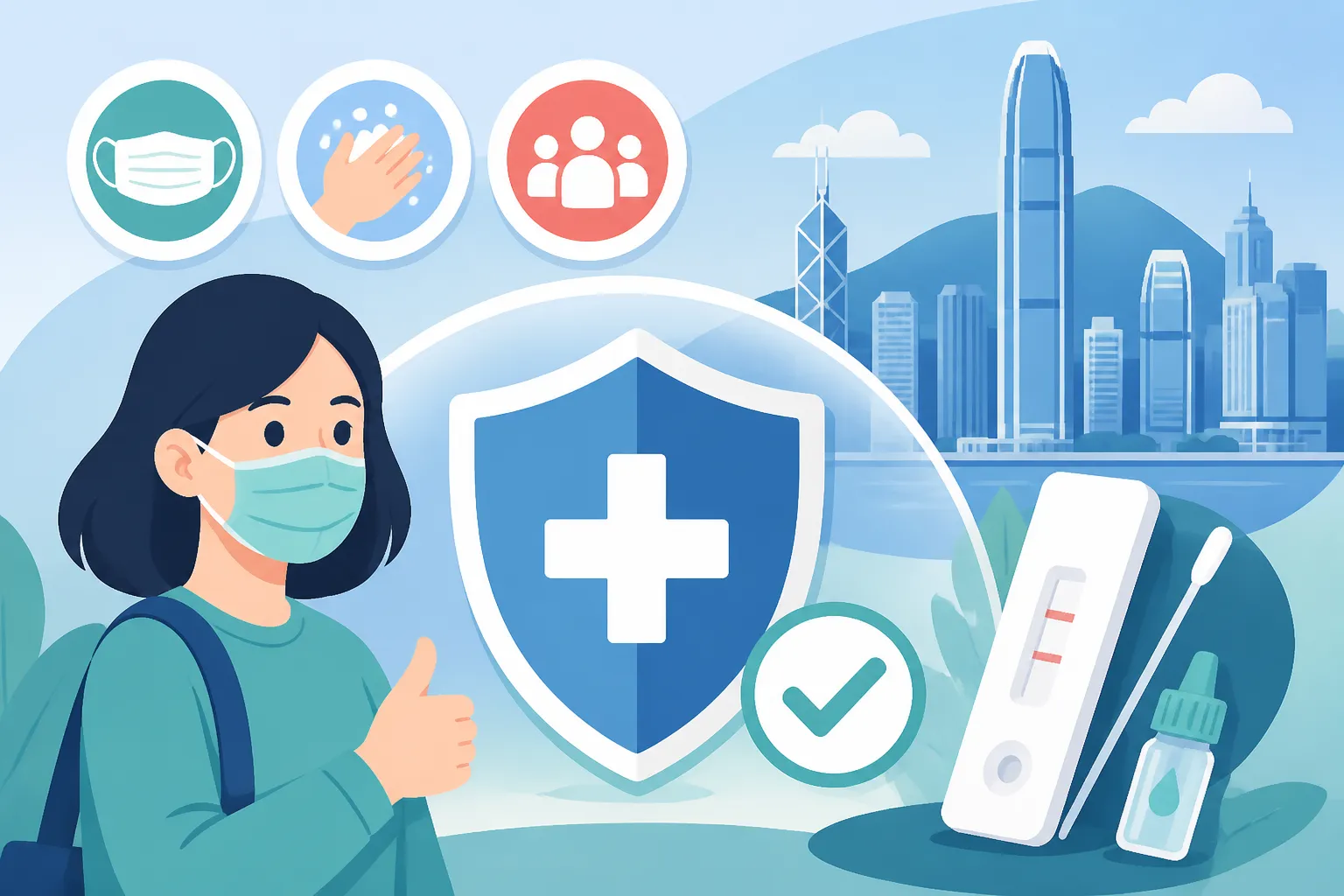
Rapid Antigen Tests (RAT) have become as common as pocket tissues in Hong Kong. You can find them in every convenience store from 7-Eleven to Circle K, and in every major pharmacy chain. However, not all kits are created equal. In the early days, we bought whatever we could find, but today, the focus is on sensitivity and the ability to detect the latest sub-variants that circulate in the humid Hong Kong environment.
When you go to buy kits, you will notice a massive price range. The budget kits found in neighborhood dispensaries in Sham Shui Po might cost as little as HK$10, while the high-end, clinically-validated kits at Mannings or Watsons can go for HK$80. My advice? Keep a small stock of the high-quality ones for when you actually feel symptomatic, and use the cheaper ones for "peace of mind" testing if you’ve been in a crowded indoor setting like a Rugby Sevens after-party. You can find more details on where to source these in our guide on Pharmacies and Medication in HK: Prescriptions and OTC Rules.
It is also worth noting that the government no longer provides free PCR testing booths in every neighborhood. If you require a PCR test for travel to specific regions that still require them, or for a formal medical record, you will need to visit a private laboratory or a hospital. These tests are now significantly cheaper than they were in 2022, but they still require an appointment. If you are a digital nomad or a frequent traveler, having a flexible plan like SafetyWing can be a lifesaver, as they often understand the nuances of shifting travel requirements and the costs associated with unexpected medical documentation.
What to Do if You Test Positive
The moment that second line appears on the plastic strip, the old "quarantine anxiety" might flare up. Take a breath; the process is now much more akin to handling a severe flu. The first thing you need to do is notify your employer. In Hong Kong’s current legal framework, a positive RAT result is usually sufficient for initial notification, but most HR departments will require a formal "sick note" or Medical Certificate (MC) to grant you paid leave. This is where Occupational Health: Statutory Sick Leave Certificates (MC) Rules becomes your most important reference.
You have two main paths for medical consultation: the public sector and the private sector. If you have a HKID, you can use the Hospital Authority (HA) Guide: Accessing Public Healthcare for Expats to access subsidized care. The most efficient way to do this is through the "HA Go" app, which allows you to book appointments at General Outpatient Clinics (GOPCs). Be warned, however, that these slots fill up incredibly fast—often within minutes of opening at 7:30 AM.
If the public system is too slow for your liking, private clinics in areas like Central or Tsim Sha Tsui offer much faster turnaround times. Many of these clinics now offer specialized "respiratory panels" that test for COVID-19, Influenza A & B, and RSV all at once. This is highly recommended because the symptoms are so similar. A comprehensive policy from Cigna Global is particularly useful here, as it often allows for direct billing at top-tier clinics, meaning you won’t have to pay out-of-pocket and wait for a reimbursement while you’re trying to recover.
Comparison of COVID-19 Care Options in 2026
| Feature | Public GOPC (HA) | Private General Practitioner | Private Hospital A&E |
|---|---|---|---|
| Cost (HKID holder) | HK$50 | HK$400 – HK$1,200 | HK$1,000 – HK$2,500+ |
| Wait Time | High (Days for appt) | Low (Same day) | Moderate |
| Antiviral Access | Restricted (Priority groups) | Available (Commercial) | Highly Available |
| Sick Leave Note | Guaranteed (if symptomatic) | Guaranteed | Guaranteed |
| Direct Billing | No (Cash/Octopus/FPS) | Depends on insurance | Often available |
Insurance and Financial Considerations
One of the biggest lessons we learned from the pandemic is that the "standard" insurance provided by some local employers is often quite thin. Many expats have realized the value of carrying their own top-up insurance. When dealing with COVID-19 or its long-term effects, you want a provider that doesn't treat it as a "special exclusion." Cigna Global has been a mainstay for the expat community precisely because they have adapted their coverage to include long-term respiratory support and complications that might arise months after the initial infection.
If you are caught without a local plan, perhaps because you are between jobs or just arrived on a Top Talent Pass Scheme (TTPS): The Fast-Track Work Visa, you might find yourself paying "Non-Eligible Person" rates at public hospitals. These rates are significantly higher—think thousands of dollars instead of a fifty-dollar co-pay. For those in this transitional phase, SafetyWing offers a great bridge, providing international medical coverage that includes COVID-19 treatment, ensuring that a week-long bout of the virus doesn't drain your relocation budget.
Don't forget the importance of Claiming Tax Deductions: Domestic Rent, Elderly Care, and Donations. While medical expenses themselves aren't always directly deductible, certain health-related voluntary contributions and VHIS-certified plans are. If you’ve upgraded to a Voluntary Health Insurance Scheme (VHIS): Coverage and Tax Benefits plan to ensure better COVID coverage, make sure you keep your receipts for the next tax season.
Managing Symptoms and Recovery
The current variants are generally less severe for the vaccinated, but "Hong Kong humidity" can make the congestion feel much worse. It is common for a mild case to drag on because the air quality and mold levels in some apartments can exacerbate respiratory issues. Investing in a high-quality dehumidifier and an air purifier with a HEPA filter—this isn't just "expat fluff," it’s a survival tactic for Dealing with Humidity and Mold in Your Apartment.
For medication, most doctors will prescribe a mix of paracetamol, antihistamines, and perhaps a cough suppressant. If you are in a high-risk group, you may be offered antivirals like Paxlovid or Molnupiravir. In the private sector, these are readily available but expensive. In the public sector, they are strictly reserved for the elderly or those with Managing Chronic Conditions: Diabetes and Hypertension in HK. If you prefer a more holistic approach, you might consider Traditional Chinese Medicine (TCM) in HK: A Guide for Foreigners, as many TCM practitioners have developed specific herbal protocols for "clearing heat" after a viral infection.
Recovery also involves your mental well-being. The isolation of being sick, even for a few days, can trigger "lockdown PTSD" for those of us who were here in 2022. If you find the anxiety of testing positive is getting to you, don't hesitate to reach out to Mental Health in Hong Kong: Counseling and Expat Support Services. There is no shame in admitted that the process of being ill in this city is stressful.
Vaccination and Boosters
Hong Kong's vaccination program is still active, though the urgency has shifted to an annual cadence similar to the flu shot. Most expats now time their COVID-19 boosters with the Flu Shot Season in HK: Where to Get Vaccinated Promptly. The government typically offers the latest bivalent vaccines for free to residents at designated centers and some private clinics.
For those with families, keeping up with The Hong Kong Childhood Immunisation Programme: Required Vaccines is crucial. While the COVID-19 vaccine is not "mandatory" for school attendance in 2026, most international schools strongly encourage it, especially before school trips or sports tournaments. If you're unsure about the latest schedule, checking in with Finding Expat-Friendly Pediatricians and Family Doctors is your best bet for getting an unbiased, English-speaking opinion.
Workplace Rights and Sick Leave
One area that remains a bit of a "grey zone" is how different companies handle the return to work. While the government no longer mandates a specific number of days of isolation, the Employment Rights in HK: Contracts, MPF, and Statutory Leave still apply. Legally, if you have a valid medical certificate from a registered doctor, your employer must grant you sick leave.
However, many "high-performance" firms in Central still expect you to work from home if your symptoms are mild. This is something you should clarify before you get sick. If your symptoms are severe and you are being pressured to work, you may need to consult the Labour Department or look into Resolving Workplace Disputes: Utilizing the HK Labour Department. Remember, your health is your primary asset in this city; don't let the pressure of a deadline lead to a relapse or a long-term health issue.
If you are a freelancer or business owner, the situation is different. You won't have the luxury of paid sick leave, which makes having a robust insurance plan from Cigna Global even more critical. It can provide the peace of mind that if a COVID infection leads to something more serious, your hospital bills won't bankrupt your startup.
Emergency Situations and A&E
While most cases are mild, complications can still happen. If you experience shortness of breath, chest pain, or a persistent high fever that doesn't respond to medication, you must seek emergency help. The Emergency Medical Services in HK: Calling 999 and A&E Wards are excellent, but they are under constant pressure.
When you arrive at a public A&E, you will be triaged. It is important to be honest about your COVID status so they can place you in the appropriate waiting area to protect other vulnerable patients. Understanding Waiting Times at Public A&E: What Category 4 and 5 Actually Mean will help manage your expectations—if you walk in with a cough but stable vitals, you might be waiting for 6 to 10 hours. In such cases, if you have the means or the insurance, heading to a private emergency room at Matilda or Sanatorium is a much more comfortable experience.
Essential Health Checklist for Your First 30 Days in Hong Kong
If you've just landed, here is a quick "cheat sheet" to ensure you aren't caught off guard by a sudden infection:
- Download the HA Go App: Register your HKID immediately so you can access public clinics if needed.
- Stock a "Care Box": Include at least 5 high-quality RAT kits, paracetamol, a thermometer, and an oximeter.
- Find Your Local GP: Don't wait until you're sick. Walk into a clinic in your neighborhood (like Central, Discovery Bay, or Sai Kung) and register as a patient.
- Verify Your Insurance: Ensure SafetyWing or your corporate plan covers "outpatient respiratory consultations."
- Bookmark a Telemedicine App: Download something like DoctorNow or the MyDoc app for virtual consultations if you're too tired to leave the house.
By staying prepared and understanding the nuances of the guidelines, you can turn a potential medical crisis into a manageable bump in the road. Hong Kong is a city of resilience; we’ve lived through the worst of it, and we know how to keep moving forward.
Disclaimer on Health and Medical Information
This guide is for informational purposes only and does not constitute professional medical advice, diagnosis, or treatment. Always seek the advice of your physician or other qualified health provider with any questions you may have regarding a medical condition. Guidelines in Hong Kong can change rapidly based on government policy; always check the official Centre for Health Protection website for the most current statutory requirements.