Bringing CBD Products into HK: Strict Legal Bans and Health Warnings
Coming from a country where CBD is sold in every corner cafe, arriving at Hong Kong International Airport can feel like stepping into a different century. I remember the cold sweat I broke into during my first move here, frantically checking my carry-on for a stray bottle of sleep tincture I’d forgotten to toss. This guide clarifies the absolute ban on CBD to ensure your move remains stress-free and legal.
The Absolute Ban: Why CBD is Now a Dangerous Drug in Hong Kong
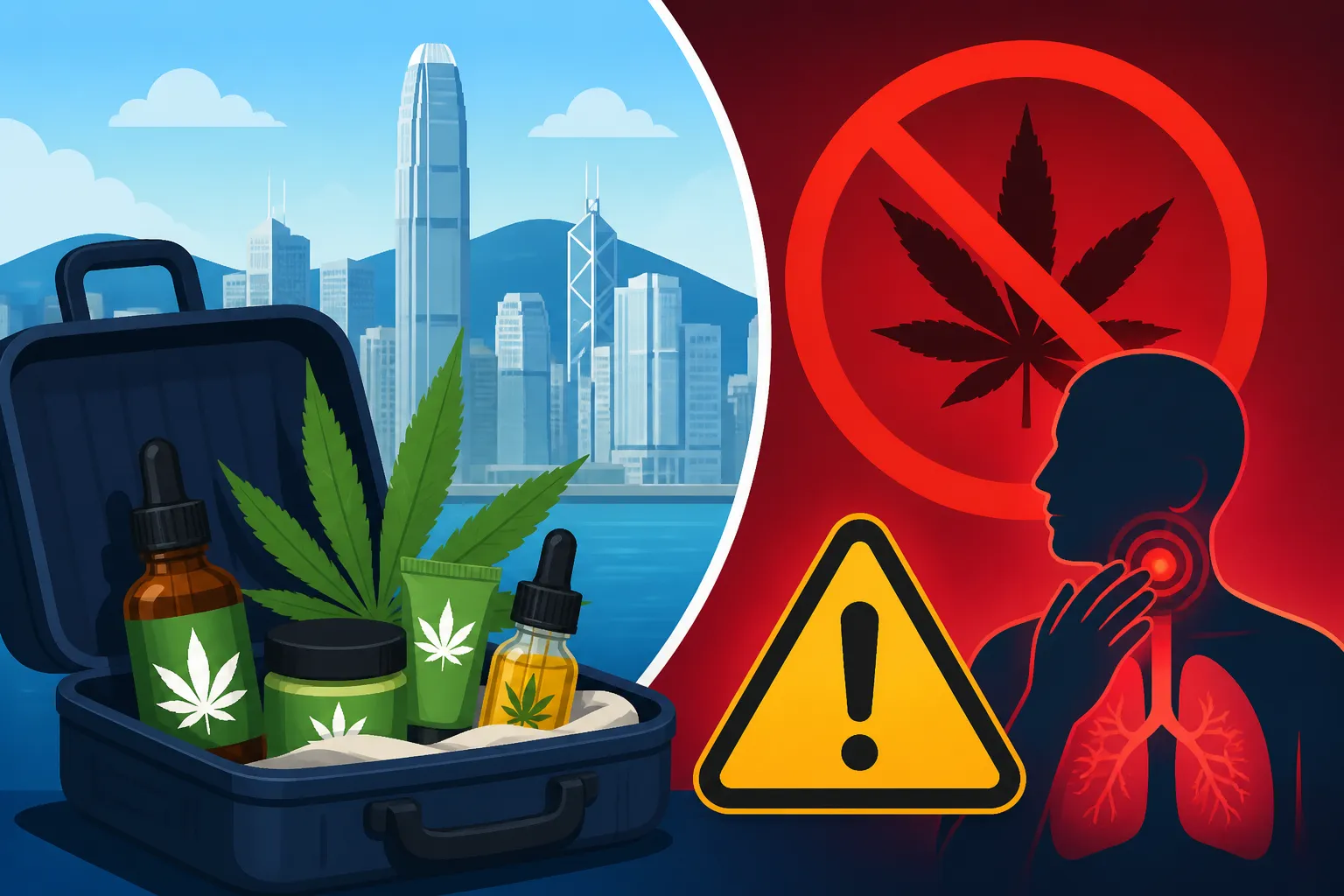
If you haven't been keeping up with local news, the legal landscape for Cannabidiol (CBD) in Hong Kong underwent a seismic shift on February 1, 2023. Prior to this, you could find CBD-infused lattes in Sheung Wan and oils in high-end boutiques. Those days are over. The Hong Kong government officially added CBD to the Dangerous Drugs Ordinance, placing it in the same legal category as heroin, cocaine, and methamphetamine.
The rationale behind this move, as explained by the Customs and Excise Department, is rooted in the chemical instability of CBD. Authorities argue that CBD can naturally decompose or be intentionally converted into THC (Tetrahydrocannabinol), the psychoactive component of cannabis. Even in "THC-free" products, the government maintains that trace amounts are almost inevitable due to the extraction process. For us expats, this means "zero tolerance" truly means zero. There is no acceptable threshold for CBD possession, regardless of whether the product claims to be non-psychoactive or therapeutic.
The transition was particularly jarring for those of us who used CBD for chronic pain or anxiety. Many expats report feeling blindsided, especially those moving from North America, Europe, or even Thailand, where regulations have trended toward decriminalization. It is vital to understand that your foreign prescription or the legality of the product in its country of origin carries no weight here. If you are preparing for your arrival, checking the Essential Health Checklist for Your First 30 Days in Hong Kong is a good way to start auditing what you can and cannot bring into the territory.
Penalties and Enforcement: What Happens at Customs
The Hong Kong Customs and Excise Department does not take this ban lightly. They have deployed advanced screening technology and specially trained "drug-sniffing" dogs at all entry points, including the airport, ferry terminals, and land borders. It’s not just about large-scale trafficking; they are actively looking for personal-use quantities in luggage and postal parcels.
If you are caught with CBD at the border, the penalties are life-altering. The law distinguishes between "trafficking" (which includes importing or even sharing with a friend) and "possession/consumption." However, the line can be thin, and the consequences for both are severe.
| Offence Type | Maximum Prison Sentence | Maximum Fine (HKD) |
|---|---|---|
| Trafficking (Import/Export) | Life Imprisonment | $5,000,000 |
| Possession or Consumption | 7 Years | $1,000,000 |
| Manufacturing CBD | Life Imprisonment | $5,000,000 |
For a traveler or a new resident, the risk is simply too high. Even if you are a digital nomad using SafetyWing for your travel insurance, keep in mind that most insurance policies do not cover legal fees or disruptions resulting from the possession of substances classified as dangerous drugs in the local jurisdiction.
When you land, you will see amnesty bins before you reach the customs declaration area. If you realize at the last minute that you have a CBD product, use these bins. Once you pass through the "Green Channel" (Nothing to Declare) and are stopped for a random check, you are liable for prosecution. For those carrying other types of medication, it is essential to review the rules on Declaring Prescription Drugs at HK Customs: Forms and Limits to avoid unnecessary complications.
Beyond Oils: Hidden CBD in Everyday Products
One of the biggest traps for expats is the "hidden" CBD found in products we don't traditionally think of as drugs. When I first moved, I was shocked to realize how many of my favorite skincare brands used hemp seed oil or CBD as a "calming" ingredient. In Hong Kong, the ban extends to any product containing even a molecule of CBD.
You must meticulously check the ingredient lists of everything in your shipping container and suitcases. Look for terms like "Cannabidiol," "Hemp Extract," or "CBD." Common culprits include:
- Skincare and Beauty: Face oils, body lotions, lip balms, and bath bombs.
- Edibles: Gummies, chocolates, protein bars, and tea bags.
- Pet Products: CBD treats for anxious dogs or calming oils for cats.
- Wellness Items: Pillow sprays, aromatherapy rollers, and muscle rubs.
Customs officials are well aware that these products often look like harmless toiletries. They are trained to look for specific brand names that are popular in the US and UK. If you are shipping your household goods, ensure your movers are aware of this ban. A single forgotten tube of CBD muscle rub in a box of gym gear can lead to your entire shipment being seized and an investigation being launched against you.
If you are unsure about a specific medication that isn't CBD-related, it is worth consulting Pharmacies and Medication in HK: Prescriptions and OTC Rules to see how other substances are treated. Many foreigners are also surprised by the strictness regarding other over-the-counter items, such as certain cold medicines that require a pharmacist's supervision. You can learn more about this in our guide on The Difference Between Registered Pharmacies (Rx) and Drug Stores.
Navigating Health and Wellness Without CBD
Losing access to a wellness tool you rely on is frustrating. I’ve been there, and the first few months without my usual sleep aids were a struggle. However, Hong Kong has a robust health infrastructure and alternative therapies that are perfectly legal and highly effective.
If you were using CBD for anxiety or stress management, Hong Kong offers a wide range of professional support. There are many Mental Health in Hong Kong: Counseling and Expat Support Services that specialize in the unique pressures of expat life. For those who prefer a clinical approach, Accessing English-Speaking Psychologists and Psychiatrists in areas like Central or Tsim Sha Tsui is straightforward, though often expensive. This is where a comprehensive plan from Cigna Global can be a lifesaver, as it often covers mental health consultations that local "basic" plans might exclude.
For physical pain or sleep issues, many expats turn to Traditional Chinese Medicine (TCM) in HK: A Guide for Foreigners. Acupuncture and herbal medicine are deeply integrated into the local healthcare system and offer a different perspective on managing inflammation and insomnia. If you prefer Western medicine, you can find many Finding English-Speaking General Practitioners (GPs) in Central who can prescribe legal, regulated alternatives for sleep or pain.
If you have a chronic condition that truly requires specialized medication, make sure you understand the Prescription Drug Laws: Bringing Foreign Medication into Hong Kong. While CBD is a hard "no," many other medications are allowed with the correct documentation and doctor’s letters. Always carry a copy of your medical records; Cigna Global customers often have access to digital health portals that make sharing these records with new HK doctors much easier.
Practical Steps Before You Fly
To avoid becoming a cautionary tale, take these proactive steps before you head to the airport. First, perform a "CBD audit" of your entire home. Check the bathroom cabinets, the pantry, and even your "junk drawer" where old travel-sized items might be hiding.
Second, if you are a frequent traveler who uses SafetyWing for international coverage, remember that your status as a "visitor" does not grant you any leniency. The law applies to everyone within Hong Kong’s borders, including those just transiting through the airport.
Third, inform your family and friends back home. It is common for well-meaning parents to send "care packages" containing trendy wellness snacks or skincare. A package containing CBD gummies will be intercepted, and you—as the recipient—could be summoned for questioning by Customs.
Finally, prepare for the humidity and the lifestyle shift. Often, the reasons we use CBD (stress, poor sleep, inflammation) are exacerbated by the move itself. Dealing with Navigating Medical Emergencies During T8 Typhoons or Black Rainstorms or just the general "hustle" of the city can be taxing. Establishing a relationship with a local doctor early on is the best way to manage your health legally and effectively.
Final Thoughts for the New Resident
Hong Kong is a city of strict rules, but it is also a city that rewards those who do their homework. The CBD ban is one of the clearest examples of the "Zero Tolerance" policy that defines the local legal system. It may feel punitive, especially if you’ve seen the benefits of CBD firsthand, but the risk of a criminal record or imprisonment far outweighs any therapeutic gain.
Focus on building a new wellness routine using the legal resources available. From the hiking trails of the New Territories to the expert TCM practitioners in Wan Chai, there are plenty of ways to stay healthy without breaking the law. If you stay informed and audit your belongings carefully, your transition to life in the 852 will be smooth and focused on the exciting opportunities this city offers, rather than a legal nightmare at the border.
Disclaimer
This guide is for informational purposes only and does not constitute legal advice. Laws and regulations in Hong Kong can change rapidly. Always consult the official website of the Hong Kong Customs and Excise Department or seek professional legal counsel regarding the importation of specific substances. The author and publisher are not responsible for any legal issues arising from the possession or importation of prohibited items.