How Much Does a GP Consultation Cost in Central vs Kowloon?
Walking into a sleek clinic in Central only to realize the consultation fee doesn't include the three tiny envelopes of pills is a rite of passage every expat dreads. I remember my first time paying HKD 1,200 for a simple flu checkup and nearly choking on my cough drop when the receptionist handed me the bill. This guide breaks down exactly what you will pay for a General Practitioner (GP) in different parts of Hong Kong so you can navigate the system without the heart palpitations.
The Geographical Price Gap: Why Central is a Different World
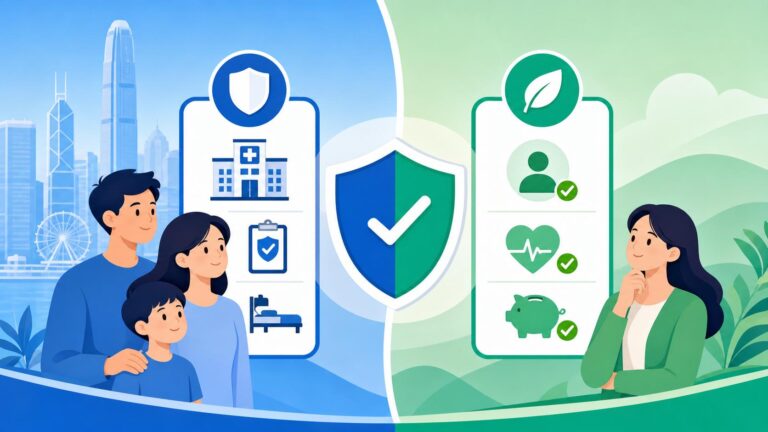
In Hong Kong, the cost of your healthcare is often directly tied to the square footage cost of the clinic's neighborhood. When you visit a doctor in Central, Admiralty, or the Mid-Levels, you aren't just paying for medical expertise; you are subsidizing some of the most expensive commercial real estate on the planet. Clinics in these areas often cater specifically to the corporate expat crowd and the local elite, offering plush waiting rooms, English-speaking staff, and longer consultation times.
A standard consultation fee in a high-end Central clinic typically starts at HKD 800 and can easily climb to HKD 1,500 or more for a senior partner. This price usually excludes any diagnostic tests, vaccinations, or the ubiquitous white packets of medication dispensed on-site. If you are Finding English-Speaking General Practitioners (GPs) in Central, you should expect the total bill for a minor ailment—like a sinus infection or a stomach bug—to land somewhere between HKD 1,200 and HKD 2,200. For many professionals, this is covered by premium insurance like Cigna Global, which is designed to handle these higher-tier private costs without much fuss.
Across the harbor in Kowloon, the landscape shifts dramatically. While Tsim Sha Tsui (TST) still maintains a "tourist and business" premium with prices hovering around HKD 600 to HKD 900, neighborhoods like Mong Kok, Jordan, and Kwun Tong offer a much more localized experience. Here, you will find "neighborhood doctors" where a consultation might cost as little as HKD 350 to HKD 500, often including three days of basic medication in the price. The trade-off is usually a smaller, more crowded waiting room and a faster pace of service, but the medical standard remains high. If you are a digital nomad or a younger traveler using SafetyWing, these mid-range Kowloon clinics are often the most cost-effective way to get treated while staying within your budget.
Understanding the Components of a Hong Kong Doctor Bill
One of the most confusing aspects of the Hong Kong private medical system is the "all-in" vs. "itemized" billing. In many Western countries, you pay for a consultation and then take a prescription to an external pharmacy. In Hong Kong, doctors are legally allowed to dispense medication directly, and they almost always do. This leads to two very different billing styles that you need to be aware of before you sit down in the exam chair.
Local clinics, especially in Kowloon and the New Territories, often use a package price. This means your HKD 400 payment covers the five minutes with the doctor and the subsequent bags of paracetamol, cough syrup, and antihistamines. It is efficient, but it can be frustrating if you only wanted the diagnosis and preferred to buy your own meds. On the other hand, expat-focused clinics in Central usually itemize everything. You will see a line item for the consultation, another for each specific medication, and perhaps a fee for the medical certificate (the "sick note") required by your employer.
If you are trying to save money, it is worth knowing The Difference Between Registered Pharmacies (Rx) and Drug Stores. If your doctor in Central prescribes something common, you can ask for the prescription only and head to a local pharmacy yourself. However, be warned: some high-end clinics charge a "prescription fee" if you don't buy the meds from them, which can negate your savings. For those with comprehensive coverage from Cigna Global, the itemized bill is actually a benefit, as it makes the reimbursement process for specific medications much clearer for the insurance adjusters.
| District Type | Avg. Consultation Fee | Medication Cost | Total Estimated Bill (Minor Ailment) |
|---|---|---|---|
| Central / Mid-Levels | HKD 800 – HKD 1,500 | HKD 400 – HKD 800 | HKD 1,200 – HKD 2,300 |
| Tsim Sha Tsui (TST) | HKD 600 – HKD 900 | HKD 300 – HKD 500 | HKD 900 – HKD 1,400 |
| Mong Kok / Jordan | HKD 300 – HKD 500 | Included or +HKD 150 | HKD 450 – HKD 650 |
| New Territories (Residential) | HKD 250 – HKD 450 | Included or +HKD 100 | HKD 350 – HKD 550 |
Navigating the Public vs. Private Outpatient Dilemma
If the private fees in Central sound daunting, you might consider the public system. The Hong Kong Hospital Authority (HA) operates a network of General Outpatient Clinics (GOPCs). For those who have successfully completed Registering Your HKID for Subsidized Public Healthcare Rates, the cost is incredibly low—usually around HKD 50 per visit, including medication. However, there is a catch: the "time tax."
Public clinics are meant for the general population and are often heavily oversubscribed. To get an appointment, you usually need to use the "Book GOPC" function within the HA Go app. I have spent many mornings refreshing that app at 7:59 AM only to find all slots gone by 8:01 AM. If you do get in, expect a wait. For a busy expat, the four hours spent in a public waiting room often costs more in lost productivity than the HKD 1,000 spent at a private clinic in Central. This is why Healthcare in Hong Kong: Public vs Private Systems Explained (2027) often emphasizes that the public system is fantastic for emergencies and chronic care, but private GPs are the standard for day-to-day illnesses.
For tourists or those without an HKID, the public system is significantly more expensive. You will be subject to Hospital Authority Fees: Eligible Persons (EP) vs. Non-Eligible Persons (NEP), which can push a simple outpatient visit up to HKD 445 or more. In this scenario, a mid-range private clinic in Kowloon might actually be cheaper and much faster. If you are in Hong Kong on a short-term basis, having a plan like SafetyWing is vital because it provides a safety net for these unexpected private clinic visits that the public system isn't really optimized to handle for visitors.
Strategies for Managing Your Medical Expenses
Managing healthcare costs in one of the world's most expensive cities requires a bit of strategy. First, always check if your clinic offers "Direct Billing." This is a lifesaver. When Finding a Direct-Billing Clinic for International Expat Insurance, you simply hand over your insurance card, pay your co-pay (if any), and walk out. The clinic handles the paperwork with providers like Cigna Global directly. This is most common in Central and TST clinics; local Kowloon clinics often require you to pay cash and claim back later.
Second, be smart about your medications. If you have a common cold, you might not need the doctor's custom-blended cough mixture. You can often find brand-name relief by Finding Ibuprofen and Paracetamol Brands in HK Convenience Stores or by visiting a Watson's or Mannings. Just make sure you know How to Spot a Pharmacy with a Registered Pharmacist on Duty if you need something slightly more specialized than basic painkillers.
Another factor to consider is whether you are paying for redundant coverage. Many expats have an employer-provided plan but find it has low limits or high deductibles. Investigating VHIS vs Employer Group Medical Insurance: Do You Need Both? can help you decide if a top-up plan or a private international policy is better for your specific living situation. If you live in Kowloon but work in Central, you might save a few hundred dollars by seeing a doctor near your home on a Saturday rather than popping into a clinic next to your office during your lunch break.
Finally, don't be afraid to ask for a price estimate at the reception desk before you see the doctor. It is perfectly culturally acceptable in Hong Kong to ask "How much is the consultation?" and "Is medication included?" before you hand over your HKID. Most clinics have a printed price list near the window. If they are evasive about the costs, that is usually a sign to find another clinic. Whether you are using the comprehensive network of Cigna Global or the flexible traveler coverage of SafetyWing, being an informed patient is the best way to ensure your health doesn't bankrupt your wallet.
Seeking Specialized Care and Referrals
Sometimes a GP isn't enough, and you’ll find yourself needing a specialist. This is where the price difference between Central and Kowloon really explodes. A specialist consultation in Central (like a dermatologist or cardiologist) will rarely start below HKD 1,500 and can reach HKD 3,500 just for the initial 20-minute talk.
In the private sector, you have the luxury of Navigating the Private Specialist Network: Direct Access vs Referrals. Unlike many other countries, you often don't need a formal referral letter from a GP to see a private specialist in Hong Kong—you can just call and book. However, if you plan to claim the expense on insurance, most providers will require that GP referral letter to prove the visit was "medically necessary."
If you are trying to use the public system for specialist care, be prepared for long lead times. You will need to take a referral from a private GP or a public GOPC to a specialist outpatient clinic. While the cost remains low (around HKD 135 for the first visit), the waiting list for non-urgent cases can stretch into months or even years. This is why many expats choose to maintain a private policy, ensuring they can skip the queue and access the high-density network of specialists located in the medical towers of Central and Tsim Sha Tsui.
Medical Disclaimer
The information provided in this guide is for general informational purposes only and does not constitute professional medical advice, diagnosis, or treatment. Healthcare costs and policies in Hong Kong are subject to change, and specific fees can vary significantly between individual clinics and practitioners. Always seek the advice of a qualified healthcare provider with any questions you may have regarding a medical condition or before making decisions related to insurance or medical expenditures. The mention of specific brands or districts does not imply a universal standard of care or a guarantee of pricing. Regardless of your insurance coverage through providers like Cigna Global or SafetyWing, you should verify coverage details directly with your insurer before seeking treatment.